A multitude of parties, including over a dozen Republican-controlled state attorneys general, have submitted briefs in a legal challenge questioning the constitutional eligibility of former President Donald Trump to appear on Colorado’s 2024 ballot, according to the Conservative Brief on Tuesday, December 5, 2023.
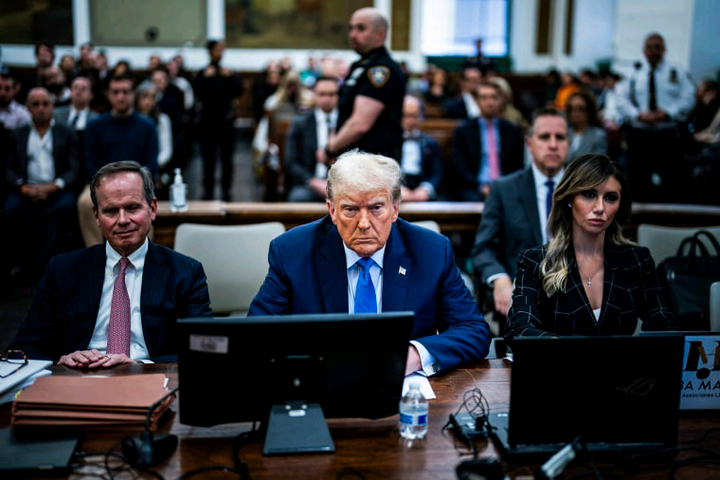
This challenge follows a recent ruling against six voters who claimed Trump’s alleged role in inciting the January 6 attack was unfounded. Judge Sarah B. Wallace, in a November 17 ruling, found that Trump “engaged in insurrection” but stated that the 14th Amendment’s Section 3, prohibiting someone from holding office after participating in insurrection, does not apply to the presidency.
Prompting swift appeals from both parties, Trump’s lawyers seek a Supreme Court examination of various aspects, including the insurrection allegation.
Plaintiffs, supported by the nonprofit Citizens for Responsibility and Ethics, argue that Wallace’s conclusion about the president not falling under the category of “officer(s) of the United States” in Section 3 is “nonsensical.” Similar challenges from various states await federal resolution, setting the stage for a high-stakes scenario involving the highest court in the land.
A group of nineteen states, led by Indiana Attorney General Todd Rokita, contends that the 14th Amendment directs insurrection clause questions to Congress, not state officials or courts. Rokita labeled challenges to Trump’s eligibility as an “assault on our republic.”
In a digital post, Rokita condemned the challenges, emphasizing their potential impact on the nation. Fourteen state Republican parties, led by Kansas’s GOP, endorsed Trump’s eligibility, asserting that the Secretary of State lacks the authority to unilaterally bar him.
Republican state secretaries from Missouri, Ohio, and Wyoming submitted briefs, claiming Trump was “wrongfully” accused of insurgency and denouncing the lower court’s ruling as judicial overreach. Ohio Secretary of State Frank LaRose argued that the order relied on “flimsy and circumstantial evidence.”
Former Colorado Republican Secretary of State Mary Estill Buchanan supported the plaintiffs in an amicus brief, emphasizing the critical juncture the nation faces. Buchanan asserted that Trump’s actions jeopardize the electoral process and urged the court to deny him the opportunity to disrupt Colorado’s 2024 election.
Scheduled for two hours of oral arguments on December 6, the case intensifies scrutiny on Trump’s eligibility. Legal expert Sol Wisenberg dissected the state judge’s decision, highlighting the judge’s restraint in interpreting the 14th Amendment and its potential impact on the 2024 presidential election.
Despite the judge’s finding that Trump was involved in insurrection, the lack of specificity in the 14th Amendment regarding the presidency raises questions about disqualification. Wisenberg downplayed the significance of the Colorado case on federal matters but acknowledged the ongoing debate over Trump’s role in incitement. As the legal battle unfolds, the nation watches closely, recognizing the potential ramifications for both the 2024 election and the interpretation of constitutional clauses.