Former President Donald Trump has demanded the removal of Judge Arthur Engoron from the bench following the denial of a delay in his Monday testimony. Trump accuses the judge and attorney general of manipulating asset values, labeling their actions as potential fraud aimed at tarnishing his image. He intensified criticism against Michael Cohen, branding him as the attorney general’s “sole witness” and urging prosecution for alleged lies.
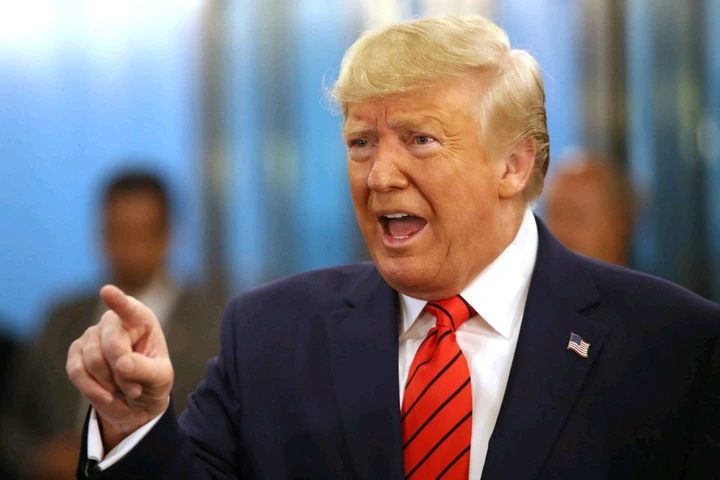
Trump asserts that the alleged manipulation of Mar-a-Lago’s value and other assets is an attempt to portray him negatively. He claims that if committed by anyone else, such actions would warrant charges of fraud and immediate removal from office. This outburst follows Judge Engoron’s decision to proceed with Trump’s testimony on Monday, rejecting a delay request during the appeal of a previously imposed gag order.
The origin of the gag order traces back to Trump’s social media attack on the court clerk, leading to its imposition to maintain trial integrity. Trump’s aggressive stance against the judiciary raises questions about the intersection of political influence, social media, and justice. The clash highlights challenges in conducting a fair trial in an era of instant communication and political polarization.
Observers note the significance of Trump’s insistence on Judge Engoron’s removal as a strategic move to challenge the trial’s legitimacy. Critics argue that Trump’s public condemnations could undermine the trial’s credibility. The call for Engoron’s removal amplifies concerns about the politicization of the judicial system, prompting discussions on balancing the rule of law and responding to powerful figures’ allegations.
As the trial unfolds, the nation grapples with the intersection of legal proceedings and political theatrics. The demand for Judge Engoron’s removal adds complexity to the high-stakes trial, raising questions about the judiciary’s resilience under intense public scrutiny and political pressure.