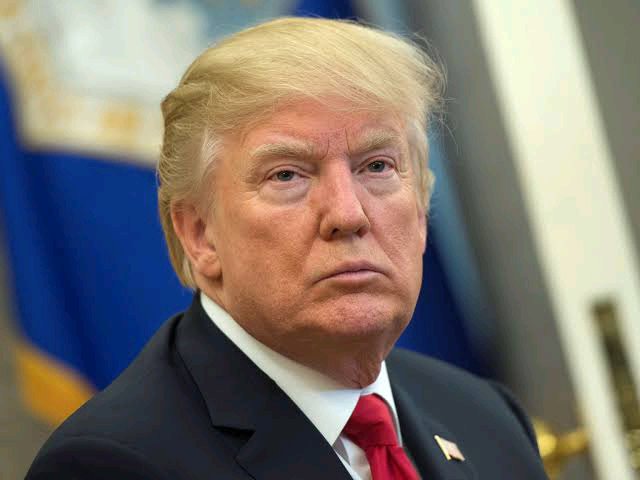
In a report by NBC News on Wednesday, December 6, 2023, the Colorado Supreme Court is slated to deliberate on oral arguments presented in a case challenging former President Donald Trump’s eligibility to appear on the state’s 2024 election ballot.

The legal clash stems from a lawsuit filed by a group of Colorado voters, represented by Citizens for Responsibility and Ethics in Washington, initiated in September. The suit seeks to prevent Trump from featuring on the state’s ballot, citing his alleged role in attempting to overturn the 2020 election results and his involvement in the January 6, 2021, Capitol attack. The plaintiffs argue that these actions violated Section 3 of the 14th Amendment, rendering him ineligible for office.
However, a recent ruling by Colorado District Court Judge Sarah B. Wallace rejected the effort to exclude Trump from the ballot. While acknowledging Trump’s involvement in inciting the Capitol riot, Wallace determined that Section 3, which bars individuals from certain federal elected positions if they engaged in insurrection, does not apply to the presidency. She highlighted a discrepancy between the disqualifying oath outlined in Section 3 and the presidential oath to “preserve, protect, and defend” the Constitution.
Judge Wallace’s ruling underscores the nuanced interpretation of the 14th Amendment’s Section 3 and its application to the presidency, raising questions about its scope and implications for presidential eligibility.
This legal battle mirrors similar disputes across the country, where groups have sought to use the 14th Amendment’s insurrection clause to bar Trump from running for office again. Despite acknowledging the seriousness of Trump’s involvement in the Capitol incident, Judge Wallace’s ruling emphasizes the specific language and scope of Section 3, interpreting it as not encompassing the presidency in its disqualifying criteria.
The case’s significance extends beyond Colorado, delving into the constitutional interpretation of the insurrection clause and its application to presidential candidacy. The outcome has the potential to shape the ongoing discourse surrounding eligibility requirements and the broader understanding of the 14th Amendment’s provisions in the context of presidential elections and constitutional law. As the Colorado Supreme Court grapples with the arguments, legal experts and observers anticipate the outcome to influence future cases and contribute to the evolving understanding of constitutional provisions in contemporary politics.