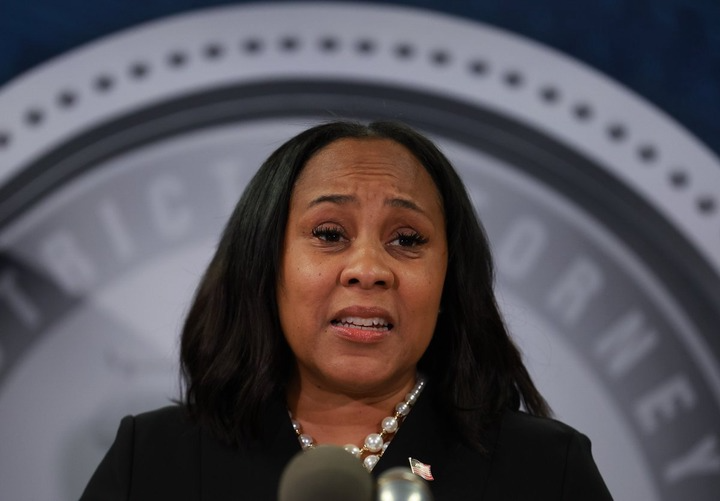
Legal analyst Elie Honig is sounding the alarm about potential hurdles for Fulton County District Attorney Fani Willis if the Supreme Court supports Donald Trump’s immunity. This follows recent moves by Special Counsel Jack Smith to speed up proceedings in Trump’s federal election interference case.
In a bid to bypass the appeals court, Smith is seeking a prompt Supreme Court decision on Trump’s criminal prosecution eligibility during his presidency. Honig believes that if Trump secures immunity, not only does Smith’s case face obstacles, but Willis’ Georgia election interference case could be doomed.
The heart of the matter hinges on the Supreme Court’s stance on Trump’s immunity, setting a precedent with ramifications beyond Smith’s federal case to impact Willis’ pursuit of justice in Georgia.
Smith’s urgency underscores the complexity of navigating presidential immunity concerning criminal allegations. The Supreme Court’s decision will shape the boundaries of presidential accountability and influence how future cases involving former presidents are handled.
While Smith’s case operates under federal law, Willis’ case navigates Georgia state law, adding layers to the question of Trump’s accountability. The interplay between these legal realms introduces uncertainty, especially with the Supreme Court potentially intervening in Smith’s case.
The decision’s ripple effect extends beyond Trump’s specific allegations, setting legal precedents for future cases. The next weeks and months are pivotal in determining the course of these legal battles, with the Supreme Court’s direct involvement adding a new dimension to an already complex setting. Observers and participants eagerly await a resolution that could reshape the intersection of presidential authority and legal accountability.