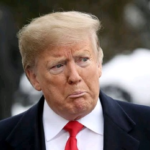
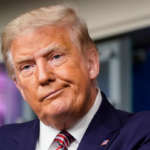
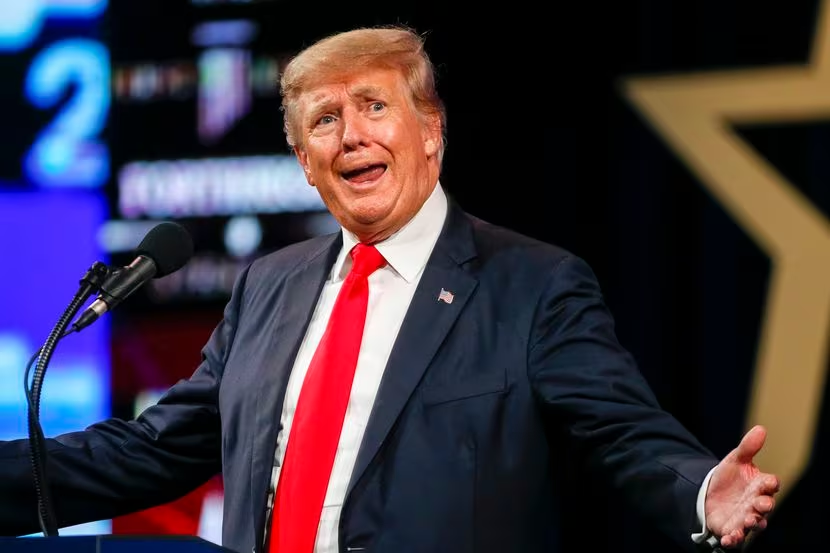
Donald Trump, former president and potential 2024 Republican candidate, is facing a wave of criticism for his recent remarks about undocumented immigrants, labeling them as poison at a political rally. The backlash is intensifying, with accusations of extremism and racism.
The Guardian’s report on December 18 highlighted concerns that Trump’s rhetoric goes beyond typical campaign exaggerations, entering into controversial territory similar to his previous statements, such as calling opponents vermin.
Critics, including former New Jersey governor Chris Christie, argue that Trump is using dog-whistle politics to scapegoat people from different regions for economic and global conflicts.
The White House responded by emphasizing President Biden’s commitment to uniting the nation and condemning Trump’s language as dangerous, drawing parallels to fascists and white supremacists. Trump’s proposals for immigration, involving troop deployment and detention camp construction, have added fuel to the controversy.
Notable Republicans like Paul Ryan and Chris Christie have criticized Trump, with Christie describing him as a “poison” on the political system. The political atmosphere is tense as Trump faces potential rivals like Nikki Haley.
The Biden administration’s attempts to tie military aid for Ukraine and Israel to immigration controls add complexity, with progressives warning against such links and threatening to withhold support for aid packages.
Despite Trump’s strong standing in Iowa, polls suggest he may encounter stronger opposition in New Hampshire. Concerns about the erosion of US democracy have been raised amid speculation about Trump’s potential return to the Oval Office.
In response to Trump’s comments, the White House marked the 80th anniversary of repealing the 1882 Chinese Exclusion Act, underscoring historical discrimination in immigration policies. President Biden denounced hate and the demonization of immigrants, asserting that it is wrong.
Trump’s campaign spokesperson, Steven Cheung, did not directly address the inflammatory rhetoric but shifted focus to controversies surrounding US colleges, claiming them as safe havens for dangerous rhetoric.
As the political landscape evolves, Trump’s controversial remarks continue to shape public discourse, raising apprehensions about the future of American democracy.