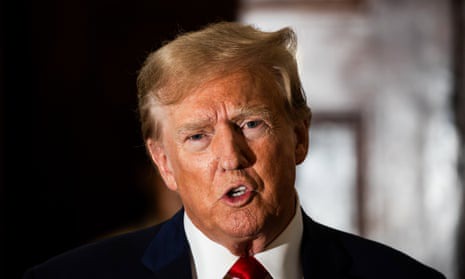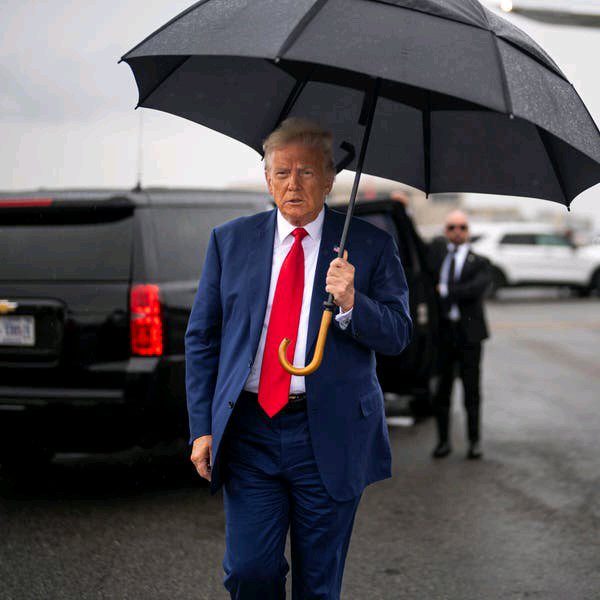
An unusual turn of events during the closing arguments in a New York courtroom on Friday, January 12, 2024, former President Donald Trump addressed the court for approximately six minutes, disregarding the judge’s directive to limit his comments to trial-related matters. Legal analyst Lisa Rubin, a former litigator, suggests that Trump’s decision to speak might have negative repercussions for him.
The trial, overseen by Judge Arthur Engoron, revolves around allegations of fraud against Trump and the Trump Organization. The judge previously determined their responsibility for fraud, citing the overstatement of asset values that misled lenders. Despite consistently asserting his innocence throughout the case, Trump faces accusations from Attorney General Letitia James, who claims he intentionally provided false information about the dimensions of his penthouse in Trump Tower.
During his court statement, Trump emphasized a specific matter related to the triplex square footage ‘error’ and insisted that the banks were content with the statements, asserting that no fraud occurred. Lisa Rubin, commenting on an NBC News thread, highlighted the potential damage caused by Trump’s statements, particularly his admission of the triplex mistake.
Trump accused James of bias during his six-minute address and demanded compensation for damages to his company, alleging a political witch hunt. He argued for innocence, citing political persecution and criticizing the statute. Judge Engoron allowed Trump to speak before interrupting.
The court paused for lunch after Trump’s remarks were shared on social media, formerly known as Twitter. Engoron is expected to reach a conclusive verdict on penalties by month-end. The state seeks $370 million in fines and proposes a lifetime ban from New York’s real estate industry for Trump, Weisselberg, and McConney. Attorney Kevin Wallace suggests a five-year ban for Eric and Donald Trump Jr. in the state’s real estate sector.
Trump’s lawyer, Kise, engaged in a dispute with Judge Engoron in emails before January 11, claiming unjust treatment and political motivation by the Attorney General. The disagreement centered on restrictions imposed by Engoron, prohibiting Trump from testifying or delivering a campaign speech in court and preventing attacks on involved parties or the court system.