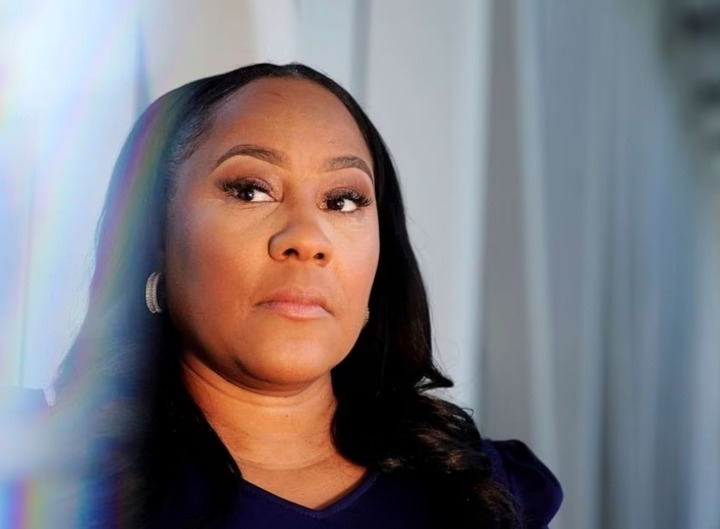
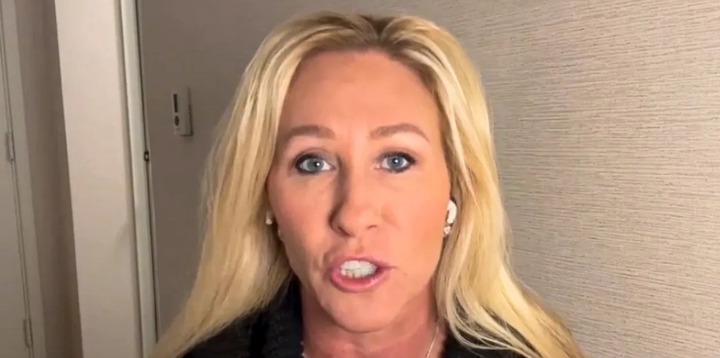
Representative Marjorie Taylor Greene (R-GA) finds herself embroiled in a clash with Fulton County District Attorney Fani Willis, marking an episode of escalating tensions in a recent development.
As reported by Raw Story on Monday, January 15, 2024, the catalyst for this confrontation was a church speech delivered by Willis at Big Bethel AME Church in Atlanta, where she targeted Greene, accusing the lawmaker of being “filled with hate.”
The dispute gained wider attention when Greene responded to Willis’s remarks on the War Room podcast, hosted by political strategist Steve Bannon. In a forceful rebuttal, Greene not only defended herself but also launched a counterattack against Willis, calling for criminal charges against the District Attorney and alleging an extramarital affair with a member of her team.
This controversy underscores the intersection of personal and political realms, with both parties using different platforms to voice their perspectives. Greene strategically chose the conservative War Room podcast to rally support among her base, highlighting the increasing role of non-traditional media outlets in shaping political narratives.
Greene’s call for criminal charges introduces a new dimension to the conflict, shifting the focus from verbal sparring to potential legal ramifications. Accusations of ethical misconduct and violation of an oath of office elevate the stakes, framing the disagreement not just as a political squabble but as a matter of legal and moral consequences.
Greene’s assertion that Willis is “definitely in violation of her oath of office” raises questions about the ethical conduct expected from public officials. The call for a criminal investigation adds weight to Greene’s claims, implying there may be more at play beneath the surface and employing a classic political maneuver to challenge opponents and potentially tarnish their reputation.
Beyond personal allegations, Greene accuses Willis of “abusing her power all for politics,” tapping into public sentiment about the misuse of authority for political gain. This resonates with a broader audience, as the notion of a public servant prioritizing personal or political interests over the responsibilities of their office becomes a potent rallying point, especially in an era marked by heightened scrutiny of public figures.
Furthermore, Greene positions herself as a representative of the people, asserting that “no one in Georgia wants to see [abuse of power] happen.” This aligns her with the concerns and frustrations of her constituents, portraying her as a champion for accountability and ethical governance.
In the broader context, this exchange reflects the polarized state of American politics. The use of podcasts and social media to address and amplify disputes emphasizes the evolving landscape of political communication. This incident serves as a microcosm of the larger challenges facing the political arena, where personal vendettas, ethical considerations, and legal implications intertwine, creating a complex web of narratives that shape public opinion. As the dispute unfolds, its impact on both the individuals involved and the broader political landscape in Georgia remains to be seen.