High-stakes political showdown that unfolded on Super Tuesday, the stage was set for a dramatic display of democratic fervor. The echoes of the drumroll of democracy reverberated loudly as political heavyweights vied for victory, with President Joe Biden and former President Donald Trump at the forefront of the unfolding drama.
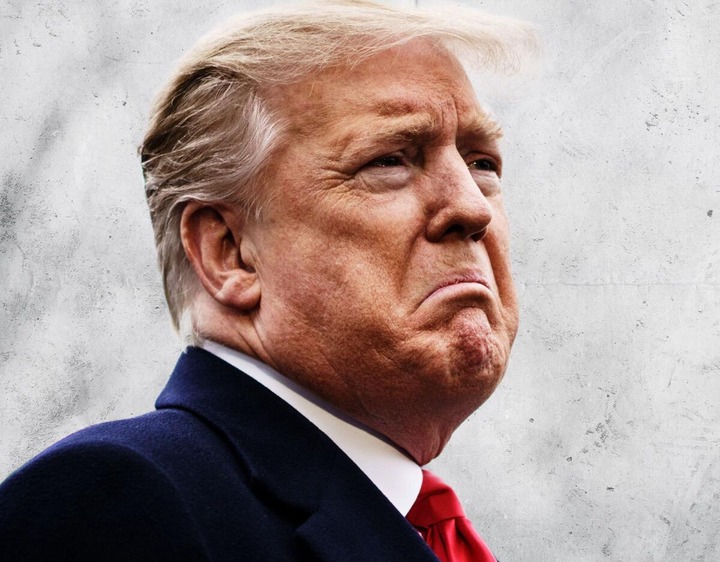
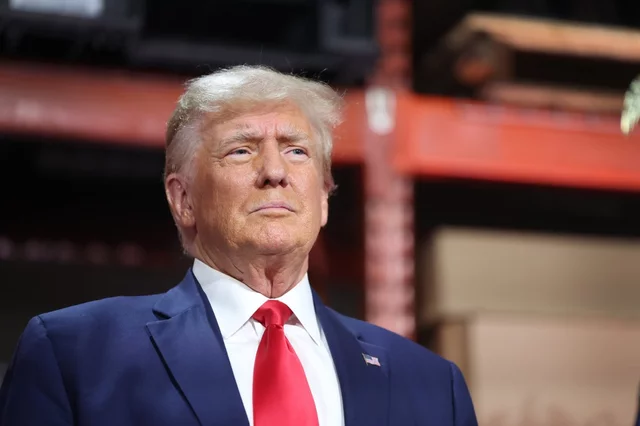
Former President Trump emerged as a dominant force, reclaiming the reins of the GOP with resounding triumphs across 15 states. His political resurgence, a captivating comeback story post the tumultuous Capitol riot in 2021, has positioned him as a formidable contender. However, shadows loom as Trump faces a barrage of 91 criminal charges, exposing vulnerabilities in more moderate and affluent pockets.
President Biden, facing nominal opposition, orchestrated a symphony of victories. Yet, a discordant note emerged over dissent regarding his stance on Israel and Gaza, particularly in pro-Palestinian strongholds like Minnesota, where nearly 20 percent of the vote signaled potential fractures in party unity.
In the kaleidoscope of winners, Rep. Adam Schiff confidently advanced in California’s primary, eyeing a Senate seat with formidable fundraising and substantial ad spend casting shadows over rivals like Rep. Katie Porter. The intricate dance of California politics pits Schiff against former baseball star Steve Garvey, a Republican, in the general election.
American Samoa, despite its small electorate, resonated in the political landscape with Jason Palmer’s surprising victory, echoing the territory’s role in the 2020 elections. The paradox of small voices influencing larger narratives persisted.
On the flip side, Nikki Haley, securing a win in Vermont, faced the reality of Trump’s indomitable presence. Trump’s delegate count soared, diminishing Haley’s hopes and prompting speculation about the future of her campaign. While Haley has ascended in party stature, her vision for the GOP seems to diverge from Trump’s, casting uncertainty on her path to 2024.
The once-iconic Iowa Democratic caucuses, now overshadowed by organizational issues, witnessed Biden’s near-unanimous victory, but without the historic ripples of years past. Super Tuesday 2024 lacked the electrifying unpredictability of previous contests, with the inevitability of Biden and Trump securing their party nominations contrasting with a public sentiment yearning for fresh faces.
A Reuters/Ipsos poll in January revealed that 67 percent of Americans crave new candidates, sparking speculation about a potential third-party candidacy. Robert F. Kennedy Jr.’s announcement of ballot eligibility in Nevada adds a subplot, with polls indicating an 11 percent standing in a hypothetical match-up. As the 2024 race unfolds, the political landscape remains dynamic, with Super Tuesday setting the stage for a riveting journey ahead.