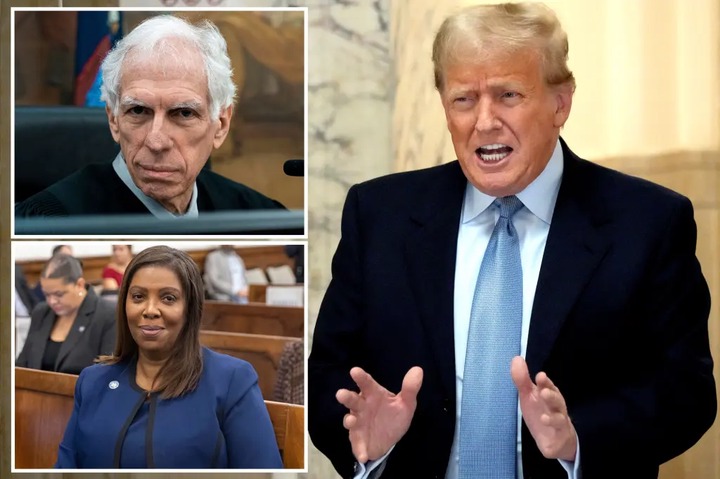
New York Attorney General Letitia James is not slowing down after her recent legal victory against former President Donald Trump. With a historic win under her belt, James has now set her sights on another high-profile target: the National Collegiate Athletic Association (NCAA).
In a bold move announced on Wednesday, May 1, James revealed via social media that her office is suing the NCAA over its rules restricting student-athletes’ ability to profit from their name, image, and likeness (NIL).
“My office is suing the NCAA to end its restrictions on name, image, and likeness for prospective student-athletes that limits their ability to earn money and restricts competition between colleges,” James declared in her statement.
She argued that these rules unfairly limit student-athletes’ career choices and earnings potential, advocating for a level playing field that empowers them to make informed decisions about their futures.
At the core of James’ lawsuit is the NCAA’s NIL rule, which allows student-athletes to earn money from their NIL but prevents them from reviewing financial offers before enrolling in a college or university. James contends that this restriction is unjust, equating it to accepting a job without knowing the salary.
“People wouldn’t take a job without knowing how much they’re getting paid, and student-athletes shouldn’t be forced to do the same,” James asserted.
Her lawsuit aims to strike down this rule, enabling prospective student-athletes to consider potential NIL opportunities when choosing which institution to attend.
James’ stance echoes a widespread sentiment that the NCAA’s amateurism rules are outdated and exploitative, depriving student-athletes of the chance to fully capitalize on their talents and hard work.
Critics argue that these restrictions disproportionately limit the earning potential of student-athletes, particularly in lucrative sports like basketball and football.
By taking legal action against the NCAA, James positions herself as a champion for student-athlete rights, aligning with advocates and former players calling for reforms to the organization’s governance and compensation policies.
Her pursuit of this high-profile case shortly after her victory against Trump demonstrates her unwavering commitment to using her office’s authority to address public interest issues and hold powerful institutions accountable.