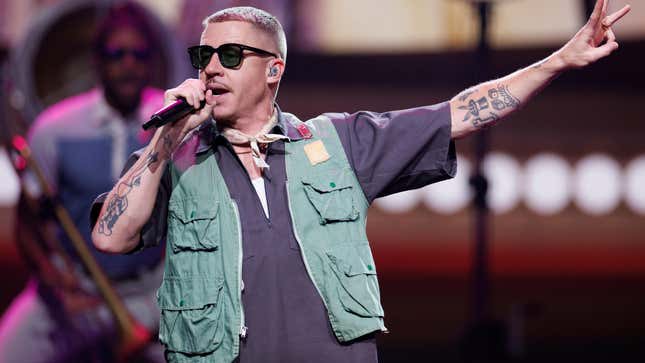
Renowned rapper Macklemore has stirred controversy with the release of a politically charged pro-Palestine anthem titled “Blood Is Your Hands Biden,” sharply criticizing President Joe Biden’s stance on the Israeli-Palestinian conflict.
The song, marked by its biting candor, accuses President Biden of complicity in the bloodshed in Gaza and expresses a refusal to support him in the upcoming November elections, drawing widespread attention and sparking heated debates across social media platforms.
The news of Macklemore’s latest musical endeavor broke via a tweet by media personality Charlie Kirk, propelling the rapper’s message into the forefront of public discourse and amplifying its reach.
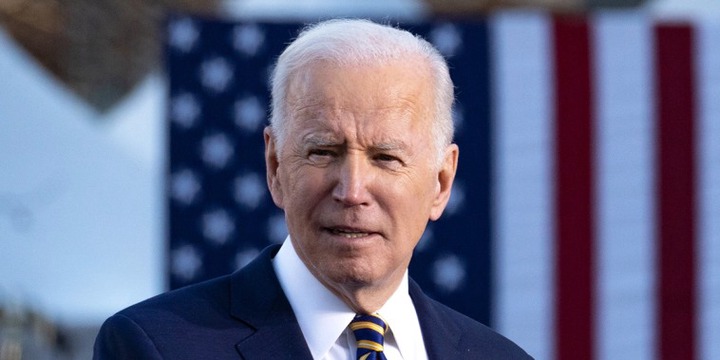
With lyrics that pull no punches, Macklemore condemns the Biden administration’s handling of the situation in Gaza, holding the current president accountable for the ongoing violence.
While the artist’s impassioned delivery and unapologetic critique of American foreign policy have garnered praise from supporters applauding his courage to speak truth to power, his stance has also faced criticism. Some detractors accuse him of oversimplifying a complex geopolitical issue, reflecting the deep-seated divisions surrounding the Israeli-Palestinian conflict.
Amidst escalating violence and mounting casualties, Macklemore’s decision to address the conflict underscores the enduring power of art as a tool for social commentary and political activism. Through his platform as a celebrated artist, he aims to amplify the voices of those affected by the conflict and challenge the status quo.
As the controversy surrounding Macklemore’s pro-Palestine anthem unfolds, it serves as a poignant reminder of the complexities inherent in seeking a resolution to the Israeli-Palestinian conflict and the enduring role of music in provoking thought, inspiring action, and effecting change.