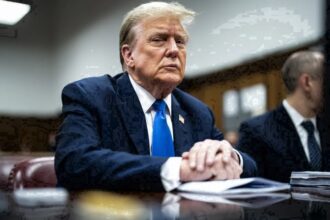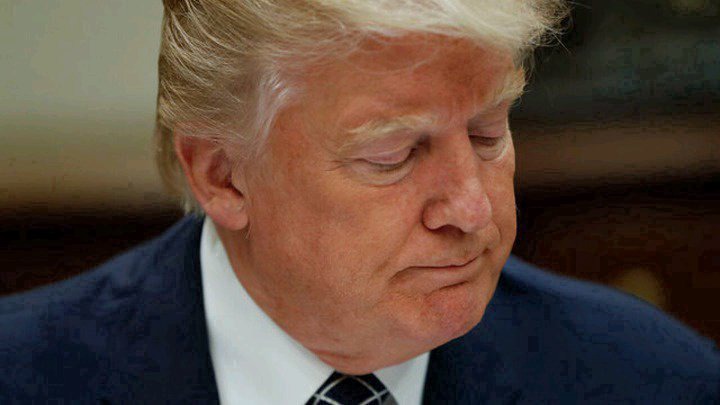
Former President Donald Trump’s persistent efforts to sway the United States Supreme Court post-2020 election have ignited unexpected criticism from conservative circles, marking a departure from his usual support base.
Trump’s refusal to concede the election and his ongoing pursuit of legal challenges have drawn scrutiny, with some labeling him a “sore loser.” His attempts to involve the Supreme Court in overturning election results have especially irked conservatives, who traditionally align with his political agenda but now view his actions as a threat to judicial integrity.
Despite facing repeated legal setbacks, Trump’s pressure on the Supreme Court has been seen as an attempt to politicize the judiciary, leading to concerns about the erosion of conservative principles and the credibility of the legal system. This critique is significant, as it comes from within his own political camp, highlighting growing divisions within the Republican Party.
Trump’s post-presidential conduct, characterized by persistent claims of election fraud and attacks on President Joe Biden’s legitimacy, has deepened partisan divides and fueled conspiracy theories, undermining public trust in democratic processes.
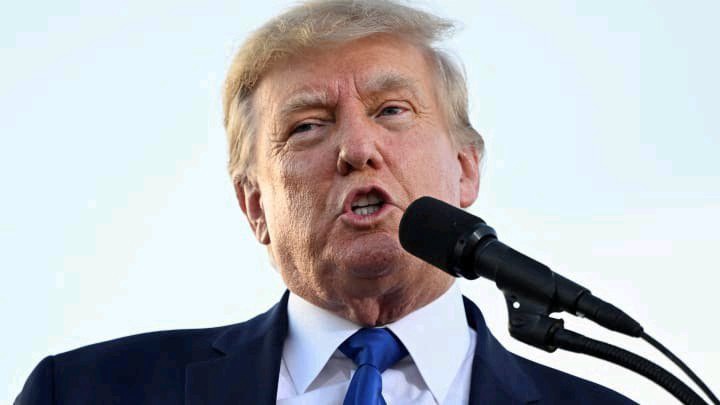
While Trump maintains a loyal following, his efforts to influence the Supreme Court have alienated former allies and raised questions about the future direction of the conservative movement. As conservative backlash mounts, Trump may find himself increasingly isolated within his own party, signaling a potential shift in Republican dynamics.
In retrospect, Trump’s strategy to challenge election results and pressure the judiciary may have unintended consequences, leaving him marginalized in American politics and highlighting broader concerns about the state of democratic institutions in the United States.