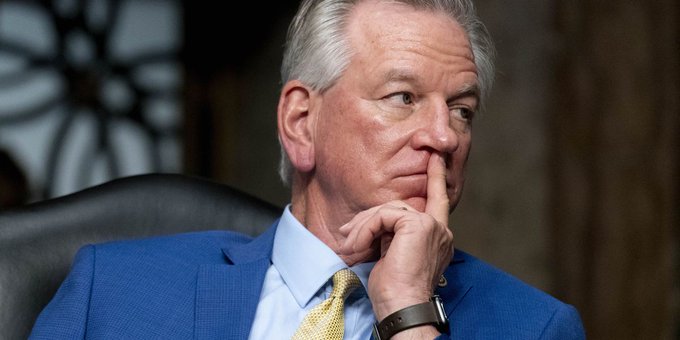
Senator Tommy Tuberville’s recent dismissal of any connection between former President Trump and a controversial video titled ‘United Reich’ has drawn attention and sparked debate. Tuberville’s response, captured with a dismissive “Oh, come on!” reflects a broader discussion about political discourse and accountability in the digital age.
The ‘United Reich’ video, which has faced scrutiny for its content and implications, allegedly links to Trump, prompting questions about his involvement or endorsement. Tuberville’s reaction implies skepticism towards such claims, highlighting the complexity of navigating political controversies and media narratives.
Critics argue that dismissing serious allegations without thorough investigation or consideration can contribute to misinformation and undermine public trust. They emphasize the importance of addressing concerns and holding leaders accountable for their actions or associations.
On the other hand, supporters of Tuberville may view his response as a reasonable reaction to what they perceive as unfounded or exaggerated claims. They may argue that political opponents often use sensationalism to discredit individuals without substantial evidence.
As discussions continue around the ‘United Reich’ video and its potential ties to Trump, Tuberville’s response serves as a reminder of the challenges in deciphering truth from speculation in the realm of politics and media. It also underscores the need for transparency, critical thinking, and responsible communication in public discourse.