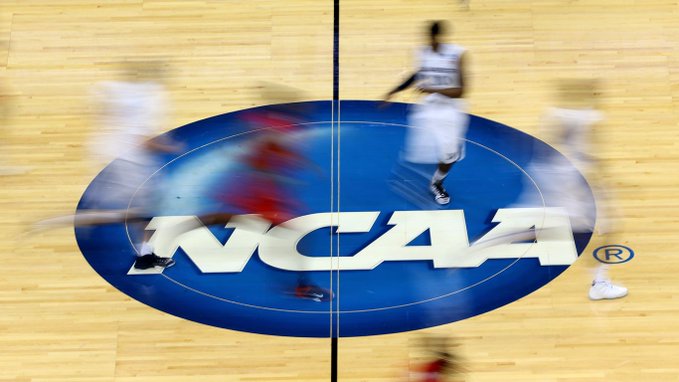
Landmark decision, the NCAA voted to pave the way for college athletes to receive direct compensation from their schools, marking a significant shift in collegiate sports’ landscape. This move comes amidst ongoing debates about fairness and equity for student-athletes, with many arguing that their contributions to the multi-billion dollar industry deserve more than just scholarships.
The decision, which was passed by a majority vote of NCAA member schools, allows colleges and universities to offer financial benefits directly to athletes. These benefits could include payments for their name, image, and likeness (NIL), as well as other forms of compensation previously restricted by NCAA regulations.
This development represents a departure from the traditional amateurism model that has long governed college athletics. Under the old rules, student-athletes were prohibited from receiving any form of payment beyond scholarships and stipends. This often led to criticism that athletes were being exploited for their talents while others profited immensely.
The new policy is seen as a step towards fairness and transparency in college sports. It acknowledges the value that athletes bring to their schools and the broader sports industry. By allowing them to profit from their NIL rights, it gives athletes more control over their financial futures and opens up opportunities for endorsements, sponsorships, and other revenue streams.
However, while this decision is a positive step forward, it also raises questions and challenges. One concern is the potential for disparities between different sports and athletes. High-profile athletes in popular sports like football and basketball may have more lucrative opportunities compared to athletes in less visible sports.
Additionally, there are still details to be worked out regarding the implementation and regulation of these new policies. Schools will need to establish guidelines and safeguards to ensure compliance with NCAA rules and prevent abuses such as improper recruiting inducements or exploitation of athletes.
Overall, the NCAA’s decision to allow direct payment to college athletes represents a significant shift in the landscape of collegiate sports. It reflects evolving attitudes towards amateurism and recognizes the rights of athletes to benefit from their talents and efforts. As schools navigate this new terrain, it will be crucial to strike a balance that promotes fairness, protects athletes, and upholds the integrity of college athletics.