May 28, 2024 – Manhattan prosecutors, after an exhaustive five-week analysis of phone logs, contracts, invoices, checks, tweets, and text messages, have exposed the complex efforts by Donald Trump to silence women and conceal scandalous affairs before the 2016 election. The details were revealed in a recent report by The Daily Beast.
Assistant District Attorney Joshua Steinglass presented a detailed narrative outlining Trump’s alleged election interference, highlighting a network of deceptions designed to suppress damaging stories. The prosecution painted a picture of clandestine operations involving figures like ex-Playboy Playmate Karen McDougal, adult film actress Stormy Daniels, publicist Gina Rodriguez, celebrity lawyer Keith Davidson, National Enquirer editor Dylan Howard, and Trump’s ally David Pecker.
Trump’s personal attorney Michael Cohen orchestrated this network, creating a labyrinth of deals to mislead the public. In court, jurors observed a stream of messages and calls, showing the coordination between Trump’s inner circle to quash scandals. Steinglass recounted how Cohen frequently updated Trump, establishing an unbroken chain of communication. Logs demonstrated the swift pace of these negotiations, emphasizing the urgency in their efforts.
Despite the compelling case, the prosecution faced a challenge: relying on Michael Cohen, a disbarred lawyer convicted of perjury. Steinglass acknowledged Cohen’s flawed credibility but stressed his unique insight into Trump’s operations. Cohen, once a Trump loyalist, transitioned to a key witness, providing crucial information about the inner workings of Trump’s campaign.
Steinglass anticipated the defense’s strategy of discrediting Cohen by paralleling Trump’s actions. He argued that Cohen’s lies were largely in service to Trump, especially regarding the Mueller investigation and the Russia probe. The prosecution navigated the salacious aspects of the case, focusing on the legal implications of Trump’s actions. Steinglass emphasized that election fraud and falsifying business records cannot be justified by claiming victimization.
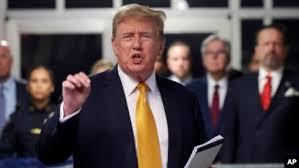
For nearly six hours, Steinglass meticulously linked witness testimonies to a multitude of documents, creating overlapping timelines converging on election day 2016. He asserted that Trump had misled the American public by concealing hush-money payments, aiming to influence the election. Steinglass declared, “The name of the game is concealment, and all roads lead inescapably to the man who needed it most, the defendant, former President Donald Trump.”
As the day progressed, the judge frequently interrupted Steinglass for breaks and inquired about the prosecution’s timeline. Despite the grueling pace, Steinglass remained focused, driving home the gravity of the allegations. In a moment of levity, he referenced the idiom “beating a dead horse,” eliciting laughter in the courtroom, but quickly returned to the serious nature of the case.
In his final appeal, Steinglass urged the jury to consider the evidence impartially. He emphasized the importance of setting aside distractions, press, politics, and noise to focus on the evidence and the logical inferences drawn from it. “You, the jury, have the ability to hold the defendant accountable,” Steinglass stated, underscoring the significance of their role in delivering justice.