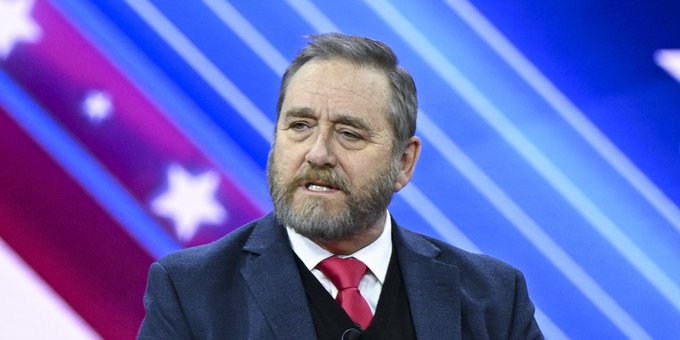
Significant legal development, the Ohio Attorney General has been instructed to cease impeding the progression of a proposed ban on qualified immunity. This directive marks a pivotal moment in the ongoing debate surrounding police accountability and legal protections in Ohio.
The decision to halt the obstruction against the qualified immunity ban comes amidst growing public scrutiny and demands for accountability within law enforcement agencies. The proposed ban aims to address concerns regarding the legal shield that protects officers from civil lawsuits for misconduct.
The Ohio Attorney General’s office had initially attempted to block the proposed ban, citing various legal justifications. However, the recent order to cease obstruction indicates a shift in the legal landscape and reflects a heightened focus on addressing issues of police accountability.
Qualified immunity has been a contentious topic, with critics arguing that it hinders accountability and allows misconduct to go unchecked. Proponents of the ban argue that holding officers accountable for their actions is essential for fostering trust and transparency within communities.
The decision to halt obstruction against the proposed ban is expected to have far-reaching implications across Ohio and could set a precedent for similar legislative efforts in other states. It underscores the ongoing efforts to reform policing practices and promote greater accountability within law enforcement agencies.
Public response to the news has been mixed, with supporters of police reform lauding the decision as a step in the right direction. However, opponents argue that qualified immunity is essential for protecting officers from frivolous lawsuits and ensuring they can perform their duties without undue fear of legal repercussions.
As the legal battle over qualified immunity continues, the Ohio Attorney General’s office is expected to comply with the directive to cease obstruction. This development signals a significant shift in the conversation around police accountability and legal protections for law enforcement officers.