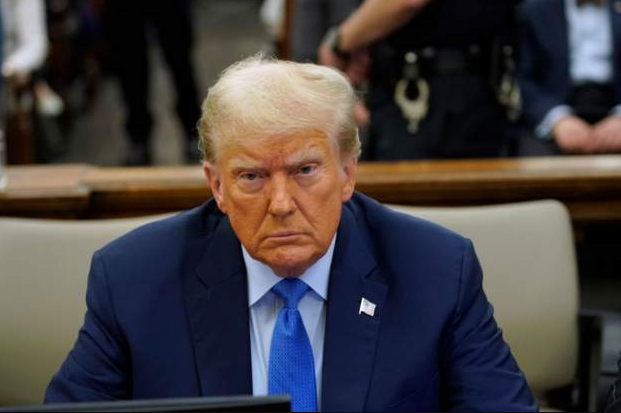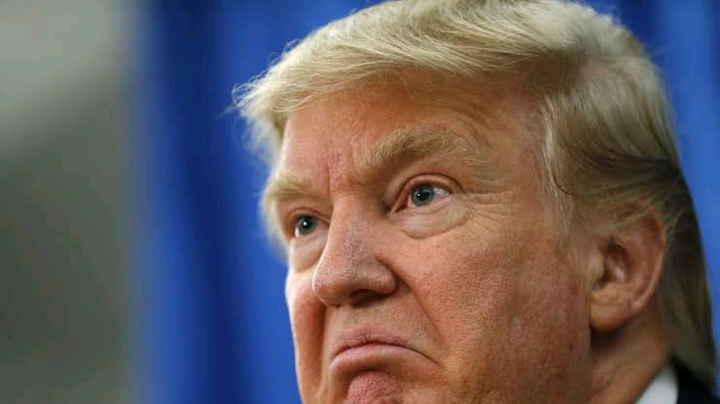
Paul Begala, a seasoned political analyst at CNN, recently stirred up controversy with his scathing remarks directed at former President Donald Trump. In a commentary that left little to the imagination, Begala characterized Trump as “an overweight, flatulent elder with poorly applied makeup and unconventional hair.”
The blunt nature of this assessment, focusing more on Trump’s physical appearance than his political track record, has ignited a heated debate regarding the appropriateness and impact of personal attacks within political discourse.
As responses flood in from various corners of the political spectrum, Begala’s comments underscore the ever-growing polarization in American politics and raise significant questions about the boundaries of media critique in an era dominated by sensationalism and theatrics.
Begala’s commentary, as reported by Breitbart News on Saturday, June 1, 2024, brings to light a recurring theme in contemporary political discussions: the merging of personal attacks with political criticism. While such remarks may grab attention, they also prompt discussions about the nature and consequences of personal insults within the political realm.
Begala’s remarks seem to take aim not only at Trump’s physical attributes but also at the symbolism they hold for many of his critics. Describing Trump as “overweight” and “flatulent” can be interpreted as metaphors for what opponents perceive as his dominating presence and his often brash style of communication.
The mention of “poorly applied makeup and unconventional hair” serves as a jab at Trump’s widely recognized and frequently ridiculed appearance, including his distinctive hairstyle and purported use of tanning products.
While personal critiques like these are not uncommon in political commentary, they tend to evoke polarized reactions. Supporters of Trump view such remarks as evidence of biased media, quick to attack the former president on superficial grounds rather than engaging with his policies or actions.
On the other hand, Trump’s critics often argue that his history of personal attacks on opponents justifies similar treatment in return.
Personal attacks have long been a feature of politics, but their prevalence in modern media has undoubtedly intensified. In an era dominated by social media, where attention-grabbing statements spread rapidly, comments like Begala’s can have significant reach and influence. They can energize a political base or trigger a backlash, contributing to the increasingly polarized political landscape.
Begala’s harsh words also spotlight the role of media personalities in shaping public opinion. Analysts and commentators possess significant influence in framing the narrative surrounding political figures, and their words can blur the line between legitimate criticism and personal vendettas.
While Begala’s comments may resonate with those critical of Trump, they risk alienating individuals who view such personal attacks as petty or unsuitable for serious political discourse. Striking a balance between robust political critique and ad hominem attacks that detract from substantive discussions is crucial.
Furthermore, focusing on personal traits rather than policies can sometimes backfire, allowing political figures like Trump to deflect criticism by portraying themselves as victims of biased media coverage. This dynamic can strengthen their support base and undermine the impact of genuine policy critiques.
In conclusion, Begala’s comments encapsulate the broader tensions within American politics. They reflect a media environment where sensationalism often takes precedence over substance, and where personal attacks overshadow more meaningful conversations about policy and governance.
While such remarks may generate attention, they also risk deepening the divisions within American society.
As political discourse continues to evolve, it is imperative for commentators and analysts to consider the ramifications of their words. While engaging in personal attacks may yield short-term attention, fostering a more constructive and policy-focused dialogue is essential for the health of democratic debate.
Paul Begala’s characterization of Donald Trump as an “overweight, flatulent elder with poorly applied makeup and unconventional hair” serves as a stark reminder of the personal animosity that characterizes much of today’s political commentary. While it may resonate with some, it underscores the need for a more substantive and respectful approach to political critique, one that prioritizes policies and actions over personal insults.