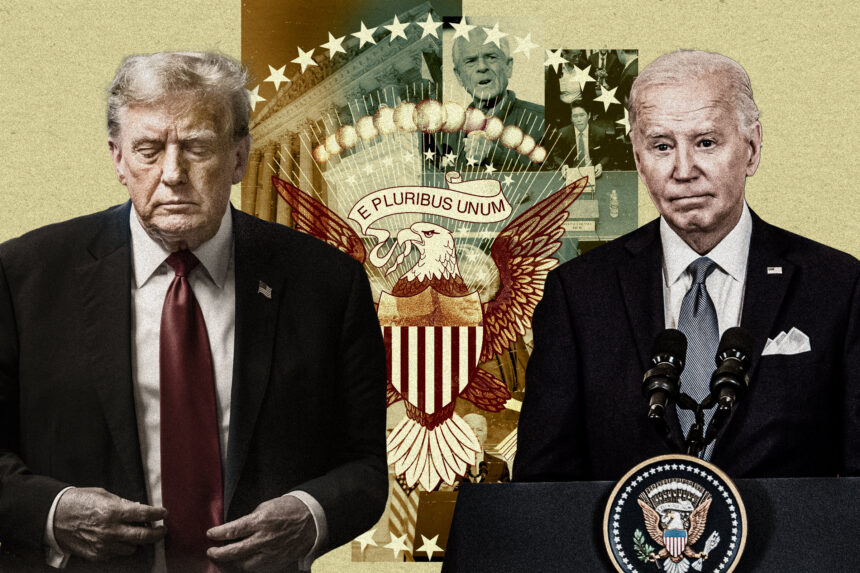
2024 election cycle unfolds, the spotlight is once again on the intricate dance of presidential power and the boundaries of executive privilege. Both President Joe Biden and former President Donald Trump find themselves embroiled in legal tangles, each testing the limits of their authority to withhold sensitive communications from prying eyes.
The concept of executive privilege, although not explicitly defined in the Constitution, has a long history dating back to George Washington’s presidency. It essentially grants presidents the freedom to engage in candid conversations with advisors without fearing repercussions for their words.
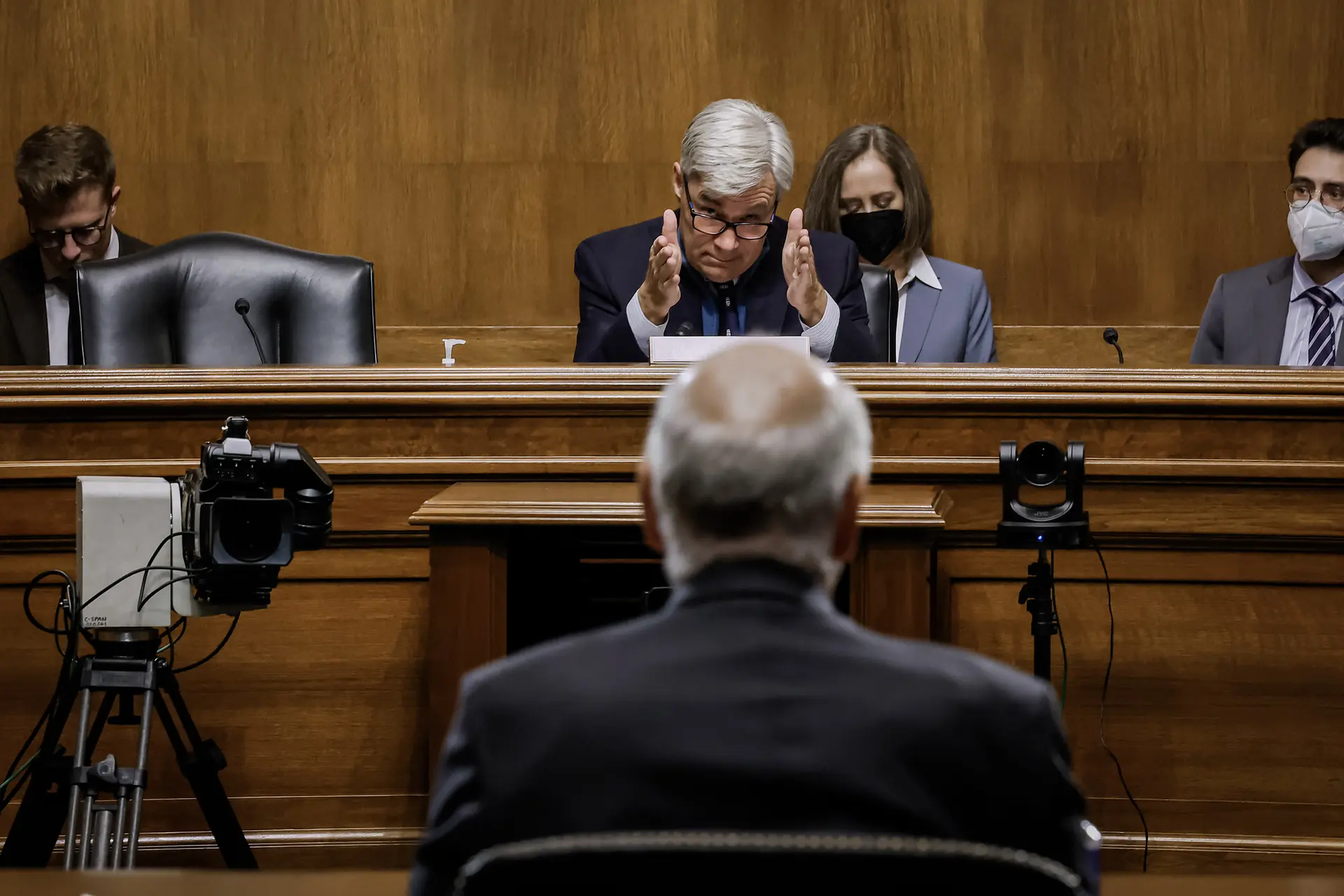
President Trump, known for his vigorous defense of executive privilege, has faced legal challenges both during and after his time in office. Notable cases include his attempts to shield correspondence related to the January 6 events and his financial records from congressional scrutiny. On the other side of the aisle, President Biden has also asserted executive privilege, particularly concerning the audio recordings of his interviews during a special counsel investigation.
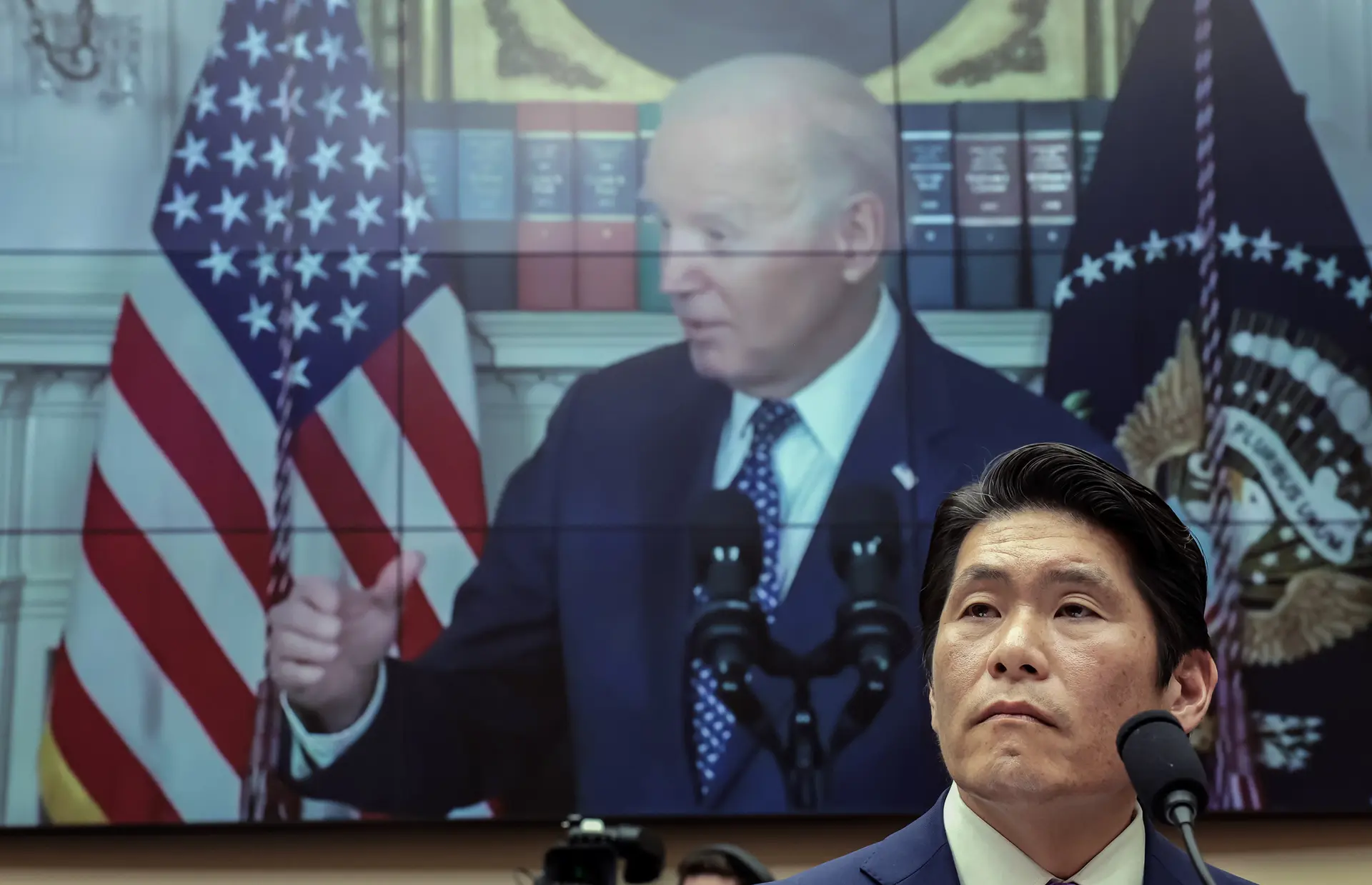
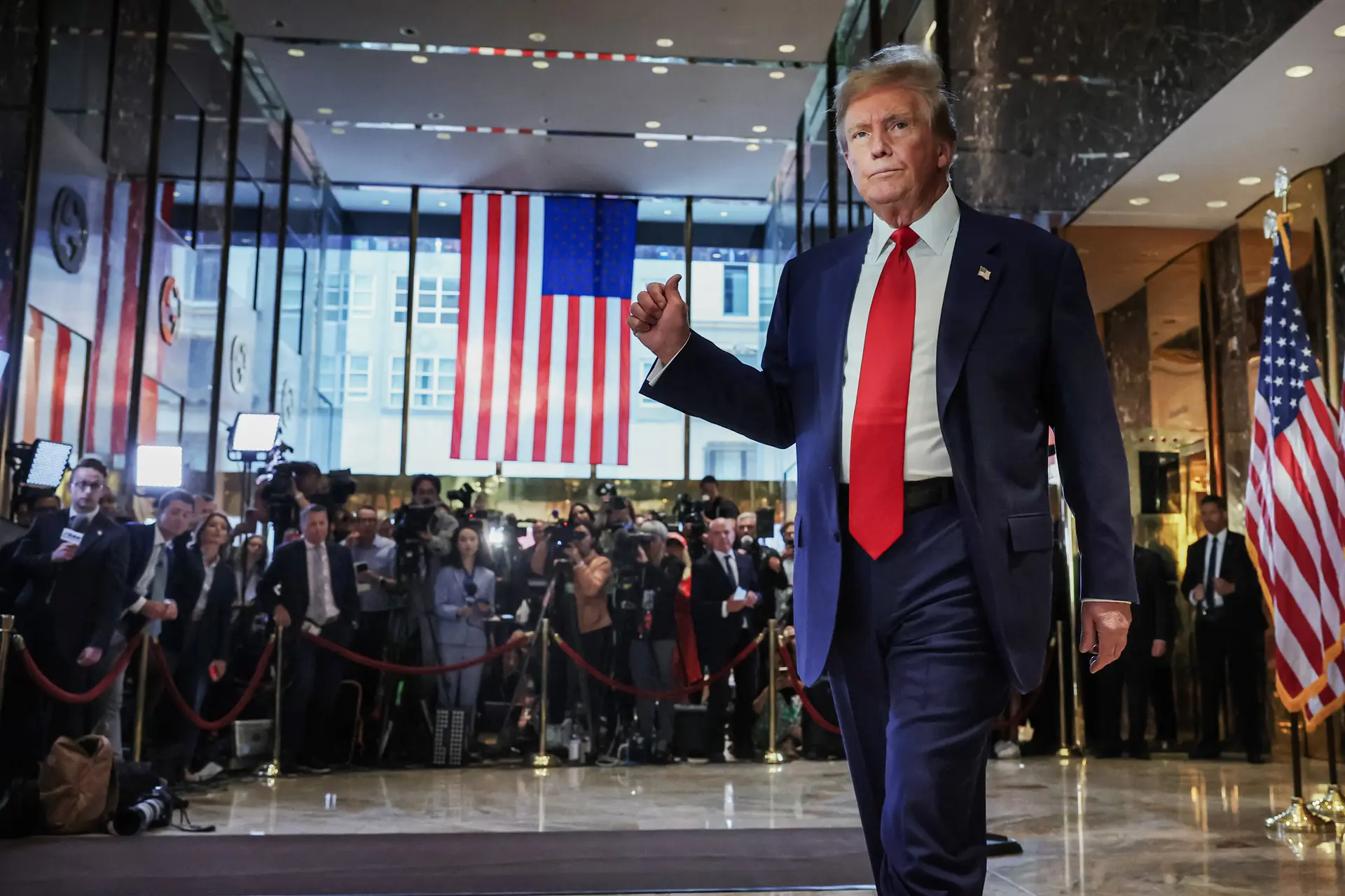
These claims of executive privilege have sparked debates about their legal validity and the extent to which other branches of government can demand transparency from the executive. The judiciary has played a crucial role in defining the boundaries of executive privilege, as seen in landmark Supreme Court cases involving former President Richard Nixon.
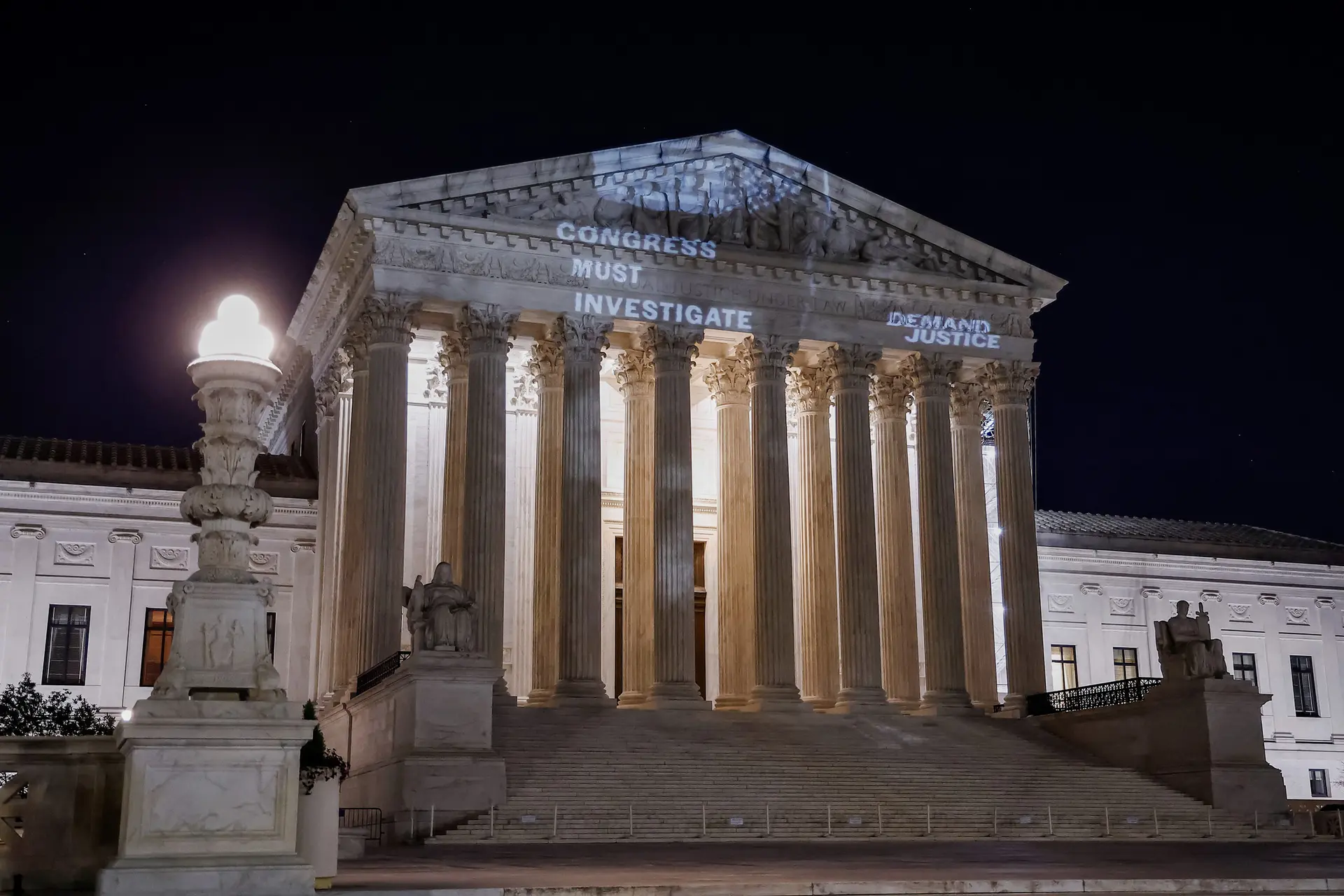
One of the key questions surrounding executive privilege is what exactly it protects. While it aims to safeguard presidential communications, the interpretation of what constitutes privileged information can vary widely. Congress often seeks such information for legislative purposes, while the judiciary may require it for legal proceedings.
The ongoing legal battles involving both Biden and Trump highlight the complexity of balancing executive privilege with the interests of other branches of government. The Supreme Court, in particular, has been instrumental in clarifying the scope and limitations of this privilege.
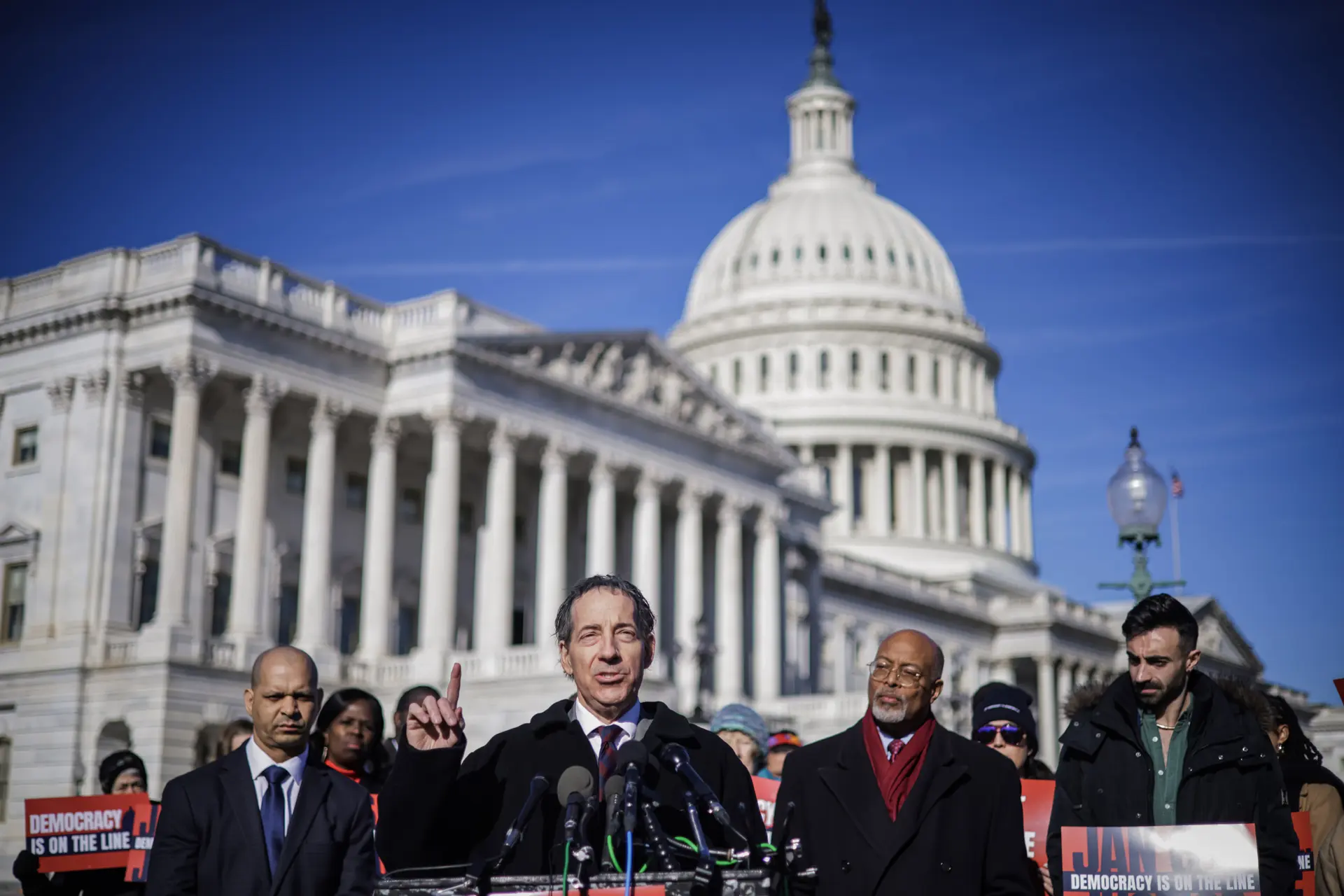
Looking ahead, the future of executive privilege remains uncertain. As President Trump’s cases progress through the courts, they may shed more light on how this privilege applies to former presidents and their advisors. Ultimately, the delicate balance between presidential power and accountability will continue to shape the legal landscape for years to come.