Significant and contentious decision, Oklahoma’s Supreme Court has dismissed a lawsuit filed on behalf of the last two known survivors of the 1921 Tulsa Race Massacre. The lawsuit aimed to hold parties accountable for the devastating event, arguing that the massacre constituted an ongoing public nuisance and sought reparations for the survivors.
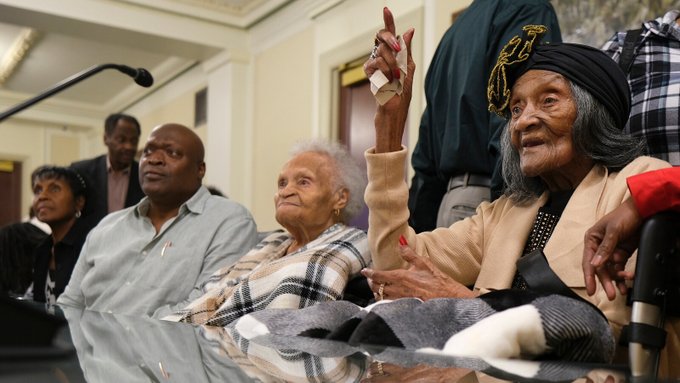
The Tulsa Race Massacre, one of the most violent racial attacks in U.S. history, saw a white mob destroy the prosperous Black community of Greenwood, often referred to as “Black Wall Street.” The two surviving women, now over a century old, contended that the massacre’s effects were still felt today and demanded justice and compensation for the long-standing damage inflicted on their community.
Their lawsuit was built on the premise that the massacre’s repercussions created a persistent public nuisance, adversely affecting the economic and social fabric of the Black community in Tulsa for generations. The plaintiffs sought reparations to address these enduring impacts and to rectify historical wrongs.
However, the Oklahoma Supreme Court ruled against the plaintiffs, effectively ending their legal pursuit for reparations. The court’s decision has sparked a wave of reactions from various quarters, with many expressing disappointment and concern over the ruling’s implications for justice and historical accountability.
“This decision is a devastating blow to those who have fought tirelessly for recognition and reparations for the survivors and descendants of the Tulsa Race Massacre,” said a spokesperson for the survivors. “The court’s dismissal disregards the enduring pain and suffering caused by the massacre and the systemic inequalities that have persisted for over a century.”
Supporters of the lawsuit argue that the ruling fails to acknowledge the historical and ongoing injustices faced by the Black community in Tulsa. They point to the need for a comprehensive approach to address the legacy of racial violence and economic disenfranchisement stemming from the massacre.
Critics of the lawsuit, on the other hand, contend that seeking reparations through the courts sets a complex legal precedent and argue that alternative avenues should be explored for addressing historical grievances.
The decision has reignited discussions about how best to address historical injustices and the role of reparations in achieving racial equity. As the nation grapples with its history of racial violence and discrimination, the dismissal of this case underscores the challenges inherent in seeking legal redress for events rooted deeply in systemic racism.
In conclusion, the Oklahoma Supreme Court’s dismissal of the reparations lawsuit filed by the last survivors of the 1921 Tulsa Race Massacre marks a significant moment in the ongoing struggle for justice. The ruling, which denies accountability and reparations for one of the most egregious acts of racial violence in American history, highlights the complexities and obstacles faced in the pursuit of historical justice and reconciliation.