Former President Donald Trump’s recent campaign appearances have sparked controversy and mockery online, with accusations that he has been staging greetings to empty spaces to exaggerate his popularity. As he ramps up efforts to secure the Republican nomination for the upcoming presidential election, Trump’s public gestures are increasingly scrutinized.
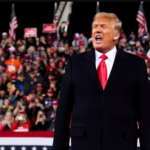
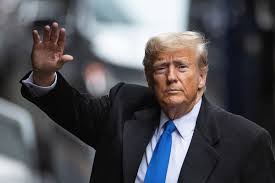
In a recent incident in Wisconsin, Trump was captured on video waving energetically upon disembarking from his plane, purportedly greeting a crowd. However, critics swiftly pointed out that the audience appeared sparse, consisting mainly of a few individuals and a solitary car. This discrepancy between the perceived crowd size and the actual attendance has fueled accusations of deliberate staging to create a misleading impression.
The controversy escalated when videos, including footage from Trump’s visits to Trump Tower in New York and Charlotte Motor Speedway in North Carolina, surfaced online. These videos depict Trump waving towards what seems like empty spaces, prompting widespread derision on social media platforms.
Trump’s communications team, however, has dismissed these allegations as “fake news” and a product of partisan criticism. Steven Cheung, Trump’s communications director, labeled the accusations as manifestations of “Trump Derangement Syndrome,” attributing them to political opponents’ attempts to discredit him.
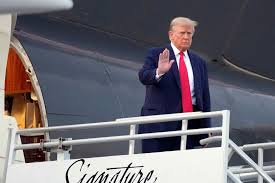
Critics and social media users have not relented in their skepticism, questioning the authenticity of various video clips where Trump appears to be addressing non-existent crowds. The situation has drawn the attention of fact-checking entities like Snopes, which have highlighted the uncertainty surrounding whether Trump’s gestures were genuinely directed at supporters or were staged for media optics.
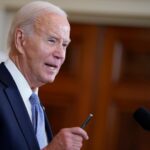
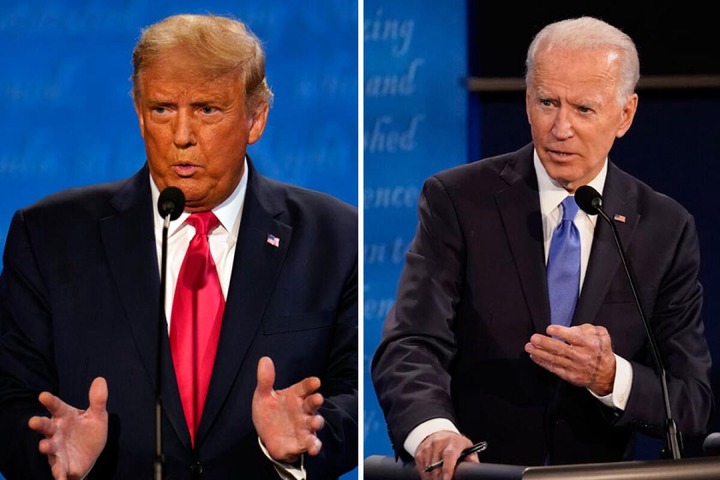
As the presidential campaign intensifies, scrutiny on Trump’s actions and public appearances is set to increase, alongside that of incumbent President Joe Biden. With debates and public engagements scheduled in the coming weeks, both candidates face heightened scrutiny over their conduct and strategies to win over voters.
The upcoming debate between Biden and Trump in Atlanta, Georgia, slated for June 27, promises to be a pivotal moment in shaping public perception ahead of the November elections. As the electoral battle unfolds, observers are keenly watching how both candidates navigate these controversies and communicate their platforms to the electorate.