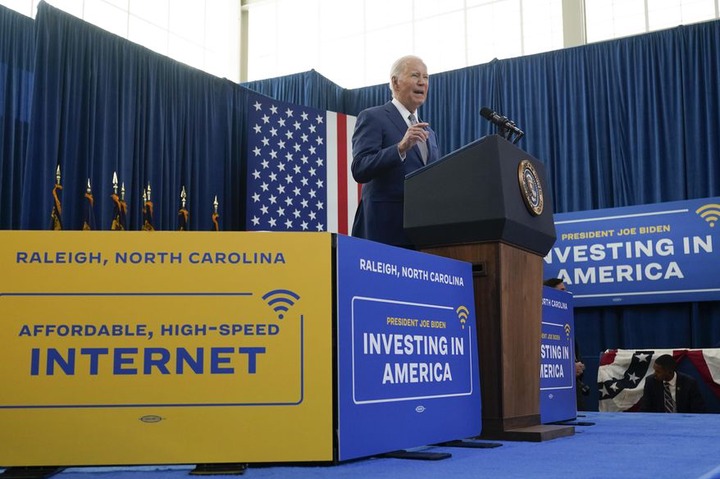
Swing states like North Carolina, economic woes, particularly skyrocketing food prices, have emerged as pivotal issues affecting voter sentiment towards President Biden’s administration.
A recent American Greatness poll reveals a striking dissatisfaction among voters, squarely attributing these financial hardships to Biden’s economic strategies, dubbed “Bidenomics.” The survey highlights a prevalent belief among a majority of respondents that Biden bears responsibility for the sharp increase in grocery expenses.
This sentiment resonates strongly among non-college educated women, a demographic crucial in electoral landscapes, who often manage household finances and grocery shopping. Their perception that Biden’s policies have exacerbated financial strains poses a significant challenge for the administration.
Conversely, the poll indicates a nostalgic preference among voters for the perceived economic stability under the Trump administration. Despite Trump’s own legal battles and controversies, his economic stewardship remains favorable among a considerable portion of voters, overshadowing other political considerations.
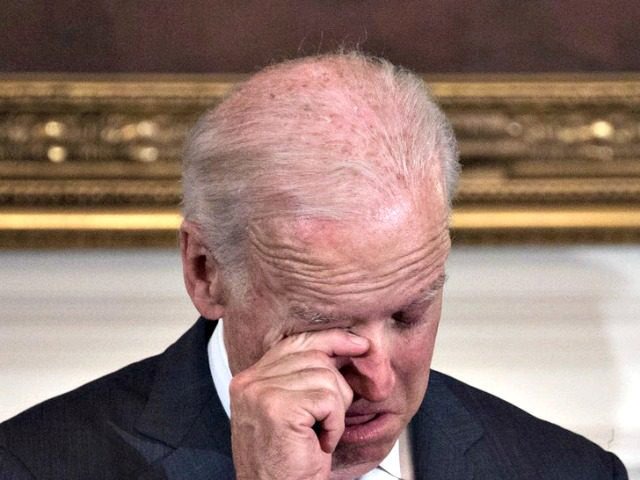
President Biden’s attempts to instill economic optimism face skepticism grounded in tangible evidence of rising grocery costs during his tenure. Data from Biden’s Department of Agriculture reveals a stark 40% increase in monthly grocery expenses for a typical family of four since his inauguration, reflecting a decline in purchasing power and strained household budgets.
The discourse surrounding Bidenomics mirrors broader anxieties among working-class Americans regarding inflation and economic policies. The prevailing view that Bidenomics has failed to deliver on its promises is underscored by the poll’s findings, where a minority perceive his economic agenda as effective.
These insights serve as a crucial gauge for Biden’s administration, particularly in key swing states essential for electoral success. The palpable discontent over economic policies, specifically concerning food prices, underscores an urgent need for the administration to reassess its messaging and policy approaches to address voter concerns.
Failure to address these issues risks further alienating critical voter demographics and jeopardizing electoral prospects in upcoming elections.