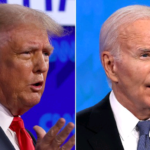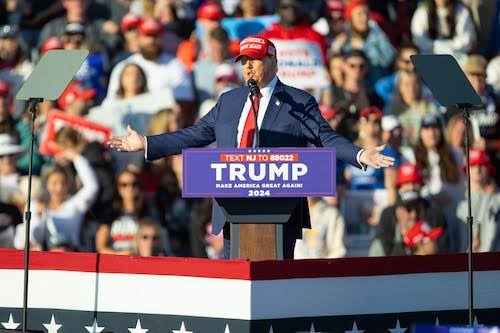
Former President Donald Trump has secured a significant legal victory following a pivotal Supreme Court ruling that grants him immunity from certain criminal prosecution related to actions taken during his presidency. The decision, issued on June 20, 2024, overturns a lower court’s ruling and could potentially delay the trial concerning charges linked to the January 6th federal election subversion.
In a landmark 6-3 decision, the Supreme Court justices, led by Chief Justice John Roberts, emphasized the constitutional principle of separated powers, asserting that a former president must have some level of immunity for official acts conducted during their tenure. Chief Justice Roberts highlighted that while immunity is absolute for presidential actions under the Constitution, it does not extend to unofficial acts, making clear that the President remains accountable under the law.
The ruling marks a critical juncture in American jurisprudence and political history, setting the stage for a prolonged legal battle as the case returns to a lower court. This development is expected to extend the timeline for any potential trial, possibly influencing the 2024 presidential election landscape.
President Trump expressed jubilation over the decision, hailing it as a triumph for constitutional principles and democracy. His legal team anticipates that the ruling could weaken the prosecution’s case led by Special Counsel Jack Smith, particularly in relation to official communications and actions during the contested period surrounding the 2020 election results.
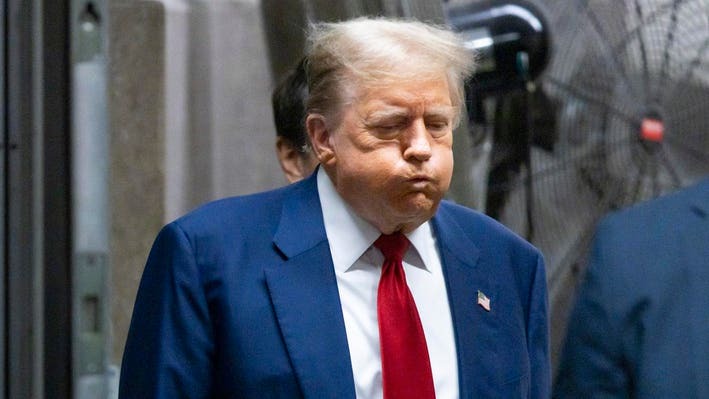
However, dissenting justices, including Justice Sonia Sotomayor, criticized the majority’s stance, arguing that granting such broad immunity threatens the foundational principle that no individual, including a former president, is above the law. Justice Sotomayor cautioned against the potential implications of shielding presidential misconduct from legal scrutiny, raising concerns about the precedent set by the Court’s decision.
As the legal proceedings continue, the focus will now shift to determining which of Trump’s actions qualify as official under the newly affirmed standard of immunity. This distinction between official and unofficial acts will play a crucial role in shaping the future direction of the prosecution and its implications for presidential accountability.
The Supreme Court’s ruling not only impacts the immediate legal battles facing Trump but also carries profound implications for the broader landscape of presidential immunity and legal oversight in the United States.