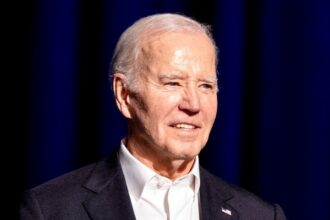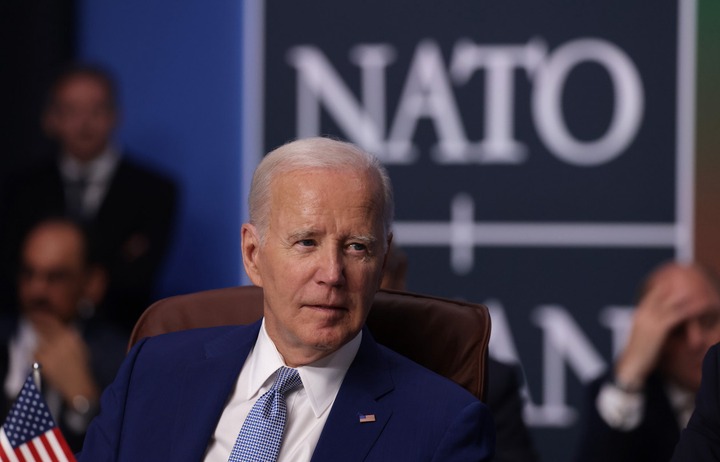
Lead-up to next week’s NATO summit, a wave of unease and apprehension is sweeping through diplomatic circles as allies express growing doubts about President Joe Biden’s ability to secure victory over Donald Trump in the upcoming presidential election.
According to a report by Politico on Saturday, July 6, 2024, these concerns, voiced in private discussions among diplomats and world leaders, center around Biden’s age, health, and recent performance, which many fear may jeopardize America’s leadership and stability in global affairs.
Diplomats from European NATO countries, traditionally strong supporters of Biden, are grappling with the implications of his candidacy after witnessing what they describe as a lackluster debate performance against Trump.
One official from a European NATO country, speaking anonymously, bluntly remarked, “It doesn’t take a genius to see that the president is old. We’re not sure that, even if he wins, he can survive four years more.”
The sentiment is echoed by others, with an EU official lamenting, “It was painful to watch, let’s be honest. We all want Biden to have a second term to avoid dealing with Trump again, but this isn’t really reassuring.”
These sentiments reflect a broader concern among allies who fear that Biden’s vulnerabilities could pave the way for Trump’s return to power, potentially destabilizing NATO and undermining efforts in Ukraine.
The upcoming NATO summit, initially intended as a commemoration of the alliance’s 75th anniversary, now serves as a critical juncture for Biden to assuage doubts about his leadership and political resilience.
Scheduled amidst sweltering heat in Washington, the summit will demand Biden’s unwavering stamina as he navigates an exhaustive agenda, including discussions on Ukraine, NATO’s deterrence capabilities, and Indo-Pacific security.
Adding to the apprehension is skepticism about Biden’s commitment to European defense, exacerbated by concerns over Trump’s stance on international partnerships.
“We’re having more conversations about our own defenses since it looks like Trump is coming back,” noted an official from a NATO country post-debate.
This sentiment underscores anxieties that a Trump presidency could disrupt longstanding alliances and diminish U.S. support for European security.
Criticism of Biden’s leadership style also simmers within NATO, particularly from more hawkish members who advocate for stronger military aid to Ukraine without constraints.
A senior European diplomat in Washington questioned, “Is the U.S. leading or is it just taking part like everyone else?” These concerns reflect broader frustrations with Biden’s cautious approach to providing military aid amid escalating tensions in Eastern Europe.
Ian Bremmer, president of the Eurasia Group, highlighted growing anxieties among G7 and European leaders, emphasizing that while Ukraine remains a pivotal issue, fears about Biden’s candidacy and the prospect of a Trump resurgence are increasingly dominating strategic discussions.
Amidst these challenges, Biden faces a pivotal moment to reassure allies of his capability to lead effectively and safeguard transatlantic relations.
The summit’s outcome may well determine not only NATO’s strategic direction but also Biden’s political trajectory as he contends with internal doubts and external pressures.
As the summit approaches, allies remain cautiously optimistic yet deeply concerned about the future, acutely aware that Biden’s ability to navigate these challenges will shape not just his presidency, but the geopolitical landscape for years to come.