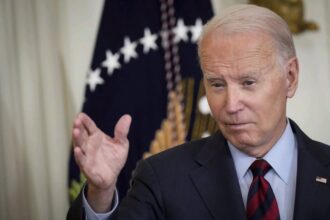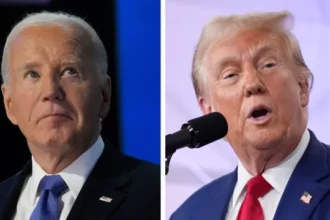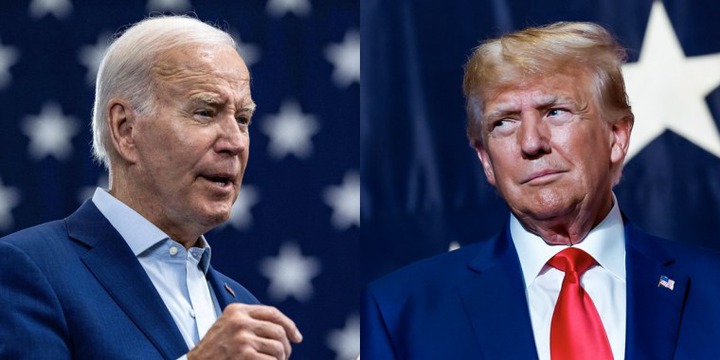
Vice President Kamala Harris has drawn a sharp distinction between the leadership styles of President Joe Biden and former President Donald Trump, asserting that while the current administration prioritizes the interests of the American people, Trump’s focus remains primarily on personal gain.
Harris’s comments, delivered via social media on Friday, July 12, 2024, highlight the ongoing political divide and contrasting narratives surrounding the priorities and motivations of the two administrations.
“President @JoeBiden and I fight for the American people. Donald Trump fights for himself,” Harris stated, encapsulating the starkly different visions that have shaped recent American politics.
Since assuming office in January 2021, the Biden-Harris administration has emphasized unity, economic recovery from the COVID-19 pandemic, healthcare reform, climate change mitigation, and social justice reforms as central pillars of its agenda. These efforts are framed as essential for rebuilding a more equitable and prosperous America.
In contrast, Harris’s critique of Trump reflects longstanding criticisms from Democrats and some independents regarding his confrontational rhetoric, “America-first” policies on trade and immigration, and efforts to dismantle regulatory and legislative achievements of previous administrations.
The ideological differences highlighted by Harris extend to issues such as government intervention, social welfare programs, environmental protections, and foreign policy. Democrats generally advocate for greater government involvement to address inequality and expand healthcare, while Republicans typically favor less regulation and lower taxes.
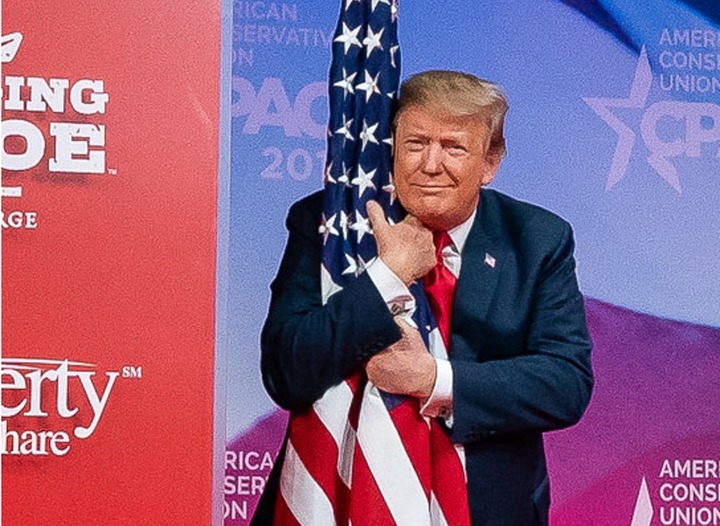
Harris’s statement is strategically timed amid a closely divided Congress and ongoing partisan polarization, aiming to bolster support for the administration’s initiatives while clearly delineating between competing visions for the nation’s future.
Critics of Harris and the Biden administration are likely to dismiss her remarks as partisan rhetoric aimed at diverting attention from perceived policy shortcomings. They may argue that Trump’s presidency saw notable accomplishments like tax cuts, regulatory reforms, and judicial appointments that they believe benefited the economy and national security.
Supporters of Trump and the Republican Party may counter with arguments highlighting economic growth before the pandemic, efforts to address illegal immigration, and a robust stance on foreign policy.
Looking ahead, Harris’s statement will undoubtedly fuel ongoing debates about the trajectory of American politics and the contrasting legacies of the two administrations. As the Biden administration continues to tackle domestic challenges like the COVID-19 pandemic and economic recovery, Harris’s contrast between Biden’s leadership and Trump’s legacy is poised to remain a pivotal topic of political discourse.