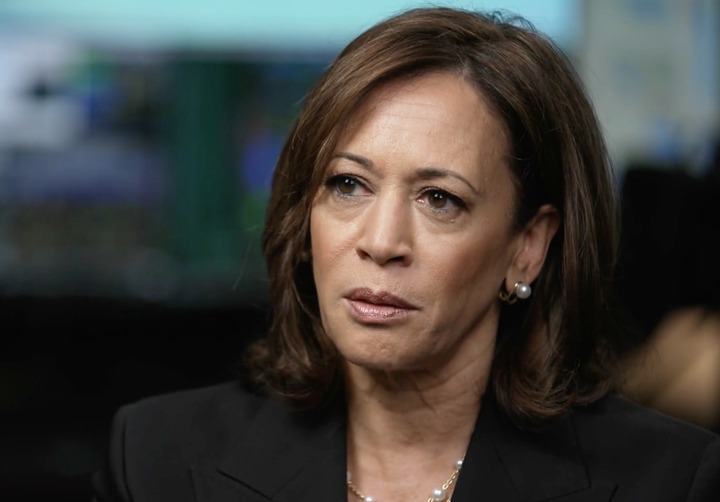
Vice President Kamala Harris is facing intense scrutiny as fresh allegations regarding the handling of illegal immigration in the United States come to light. Recent reports suggest that around 3,000 individuals are entering the country daily, allegedly through organized efforts facilitated by a phone app. Critics, including Stephen Miller, are framing this as the “biggest scandal that nobody is talking about,” as detailed by America First Legal on August 1, 2024.
The controversy centers on claims that the current administration, with Harris overseeing border security, has inadequately addressed the surge of illegal immigrants. Opponents argue that the administration’s approach is not only ineffective but may be inadvertently encouraging the influx through lenient or poorly managed policies.
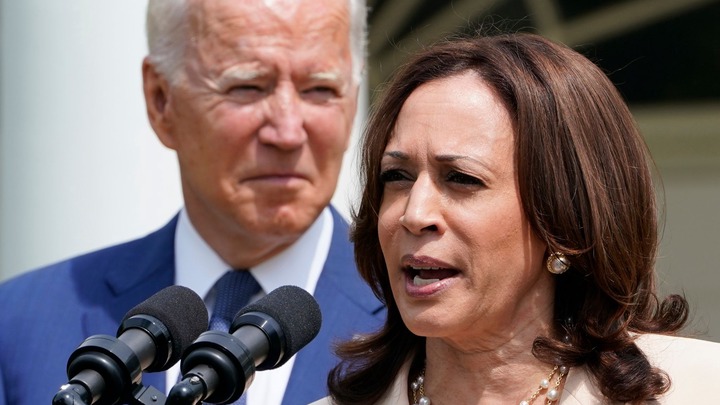
The accusations highlight a growing divide in how to handle immigration issues. Critics argue that technology, like the phone app used for managing border crossings, is being exploited to facilitate illegal entries, exacerbating an already challenging situation.
On the other side, Harris and her supporters contend that the situation at the border is complex. They argue that the administration is working to address root causes of migration, such as economic instability and violence in the migrants’ home countries. They view the criticism as politically motivated and believe it misrepresents the administration’s efforts to balance humanitarian concerns with national security.
This controversy has ignited a broader debate on U.S. immigration policy, exposing deep divisions in how the nation should reform its immigration system. Critics accuse Harris of mismanagement and potentially aiding illegal activities, while her defenders argue that the border issues are part of a systemic problem requiring comprehensive solutions rather than simple policy changes.
As the debate unfolds, the administration’s approach to these allegations will remain a focal point in discussions about U.S. immigration policy. The impact of these claims on public opinion and political discourse is still to be determined, but they underscore the high stakes involved in addressing this critical issue.