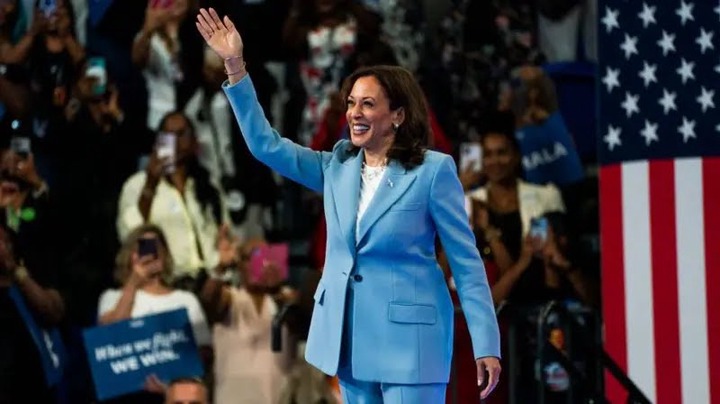
Vice President Kamala Harris has officially secured the Democratic presidential nomination, becoming the first Black and South Asian woman to achieve this historic milestone. On August 2, 2024, Harris surpassed the required threshold of 2,350 party delegates during a virtual roll call, setting the stage for her unprecedented run for the presidency.
This announcement comes ahead of the Democratic National Convention (DNC) scheduled for later this month in Chicago. Speaking via telephone, Harris expressed her gratitude and optimism, saying, “We believe in the promise of America and that’s what this campaign is about.” She acknowledged the challenges ahead, adding, “We are in this, we are on the road and it’s not going to be easy, but we’re going to get this done.”
At 59, Harris becomes the first Black and South Asian woman nominated by a major US political party for the presidency. If elected in November, she would make history as America’s first female president.
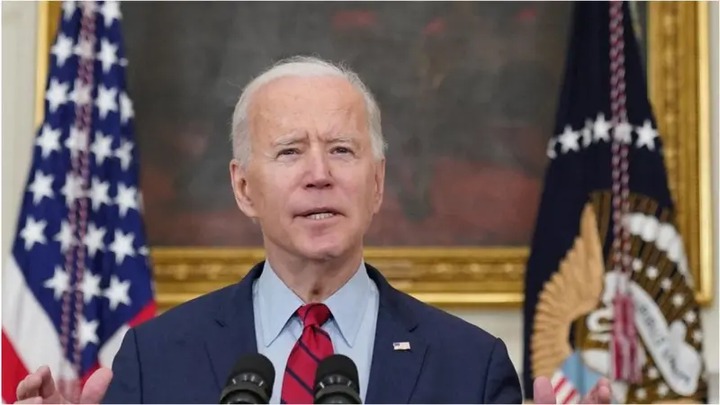
Harris’s unopposed run in this virtual nomination process followed President Joe Biden’s decision to step aside last month. Biden, who had initially been the presumptive nominee, endorsed Harris immediately upon withdrawing from the race. Other potential contenders also rallied behind Harris, solidifying her position as the Democratic Party’s choice.
By Friday afternoon, Harris had secured the necessary delegate count to clinch the nomination. The Democratic National Committee reported that 3,923 delegates, representing 99% of participants, are expected to cast their votes in her favor. The roll call, which began on Thursday, will conclude on Monday.
Typically, presidential and vice-presidential nominees are formally nominated at their party conventions. However, the 2024 DNC’s late scheduling raised concerns about meeting state ballot access laws. Ohio law requires candidates to be formally selected at least 90 days before the election, necessitating nomination by August 7. To comply, the Democratic Party opted for an early roll call.
Despite Ohio lawmakers previously creating exemptions for such cases, the Democrats chose to proceed with the early nomination process to avoid potential ballot access issues.
Kamala Harris’s nomination marks a significant moment in American political history. Born in Oakland, California, she is the first Democratic nominee from a western state in the party’s nearly 200-year history. Harris’s political career began as the district attorney of San Francisco, followed by her tenure as California’s attorney general, and then as a US senator.
President Joe Biden, despite strong support among Democratic voters, faced mounting pressure to step down, particularly after a lackluster debate performance against Republican incumbent Donald Trump in June. Biden’s age, 81, had also been a concern for some voters, prompting a reassessment of the party’s strategy heading into the general election.
The virtual nominating process reflects a strategic response to legal and logistical challenges. While some Republican leaders in Ohio signaled they would enforce the state’s ballot access law, a subsequent legislative exemption mitigated the immediate risk of Democratic candidates being excluded. Nonetheless, the party chose to proceed with an early roll call to ensure a smooth and secure nomination process.
Harris’s selection as the Democratic nominee has drawn criticism from some Republicans and Trump campaign officials. They argue that her nomination, achieved without a traditional press conference or sit-down interviews, is unprecedented and controversial. Some have even labeled Biden’s replacement by Harris as a “coup.” Despite these criticisms, Harris has energetically engaged in the campaign, appearing at numerous rallies and fundraisers across key battleground states. Her campaign raised over $310 million in July alone, more than double the $138 million raised by the Trump campaign in the same period.
As Harris prepares to officially accept the nomination at the DNC later this month, the Democratic Party is poised to rally around her candidacy. Her choice of running mate, expected to be announced by Monday, will further shape the party’s strategy and appeal as they seek to unseat Donald Trump in the upcoming election.