The 2020 election was marked by intense debates on race relations, civil unrest, and the government’s handling of the COVID-19 pandemic. These issues remain unresolved as the upcoming election looms, positioning it as a potential referendum on these contentious matters.
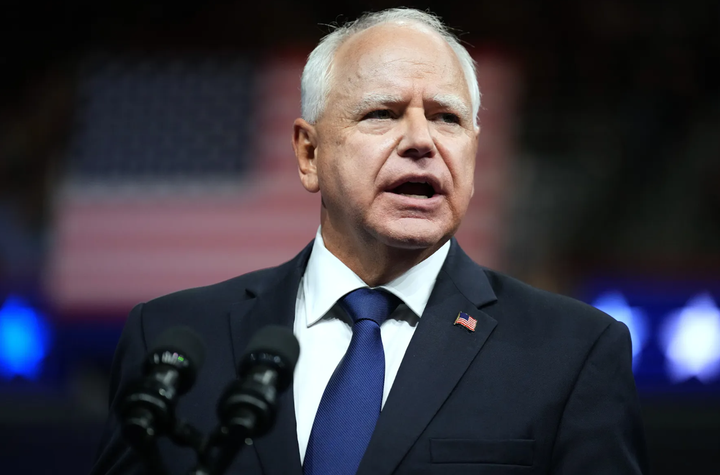
The nomination of Minnesota Governor Tim Walz as Vice President Kamala Harris’ running mate underscores the lasting impact of the 2020 crises and the ongoing debates that continue to influence American politics. According to The Federalist, Walz’s selection highlights the enduring controversies from that tumultuous year.
Race Relations and Civil Unrest
In 2020, Minneapolis became the epicenter of a nationwide reckoning on race following the death of George Floyd. The subsequent unrest was unprecedented in scale and cost, becoming the most expensive outbreak of political violence in U.S. history. Governor Walz’s handling of the situation, particularly his delayed deployment of the National Guard, faced widespread criticism. His wife’s comments about the “touchstone” moment of smelling burning tires from their home added a personal dimension to the controversy.
COVID-19 Response and Lockdown Measures
Walz’s administration also faced scrutiny for its strict COVID-19 restrictions, which included draconian stay-at-home orders and mask mandates. While these measures aimed to curb the virus’s spread, they fueled resentment among many Americans, who perceived them as an overreach of government power. Critics argue that Walz’s handling of nursing homes—by sending COVID-19 patients back to these facilities—contributed to a significant number of deaths among Minnesota’s most vulnerable population. This decision, along with similar actions by other Democratic governors, is seen as a broader failure to protect at-risk individuals.
Despite mounting evidence suggesting that harsh lockdowns were ineffective, Walz and other leaders defended their actions, citing adherence to public health guidance. However, studies later in 2020 revealed that states with the strictest lockdowns often experienced the worst COVID-19 outbreaks, challenging the narrative that these policies were necessary.
Obesity and Health Concerns
Another crucial factor often overlooked during the pandemic was obesity. By September 2020, it was clear that obesity significantly increased the risk of severe illness and death from COVID-19. However, there was little effort from politicians like Walz to address the obesity epidemic as part of the public health response. The focus remained on restrictive measures that kept people isolated and sedentary, exacerbating underlying health issues that made the pandemic more deadly.
Censorship and Free Speech
The inability to fully debate the government’s pandemic response was further complicated by widespread censorship. Critics of lockdowns and other measures found themselves silenced by a powerful alliance of government officials, media companies, and tech giants. Notable instances include the suppression of the Hunter Biden laptop story and the censorship of medical experts opposing lockdowns, such as those behind the Great Barrington Declaration.
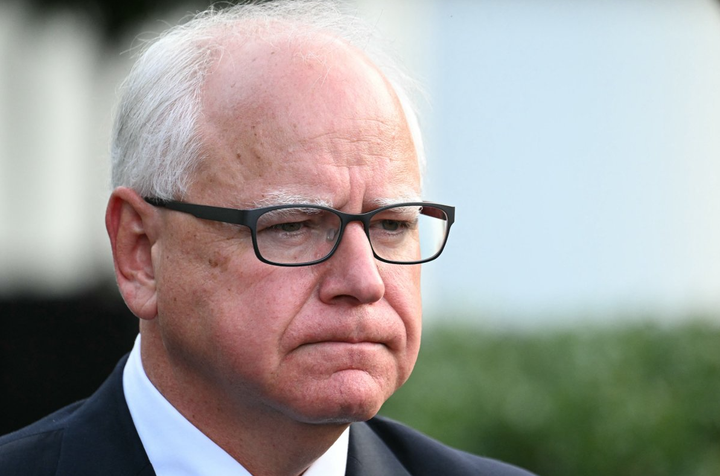
Governor Walz, who has supported efforts to curb “misinformation” and “hate speech,” was aligned with this censorship regime. In a 2022 interview, he argued that there is no absolute guarantee of free speech when dealing with misinformation, particularly in a democratic context. This stance reflects a broader trend of using the threat of misinformation to justify suppressing dissenting views, a practice that has intensified since 2020.
As the election approaches, Governor Walz’s nomination revives these contentious debates, highlighting unresolved issues from the past and shaping the future of American politics.