
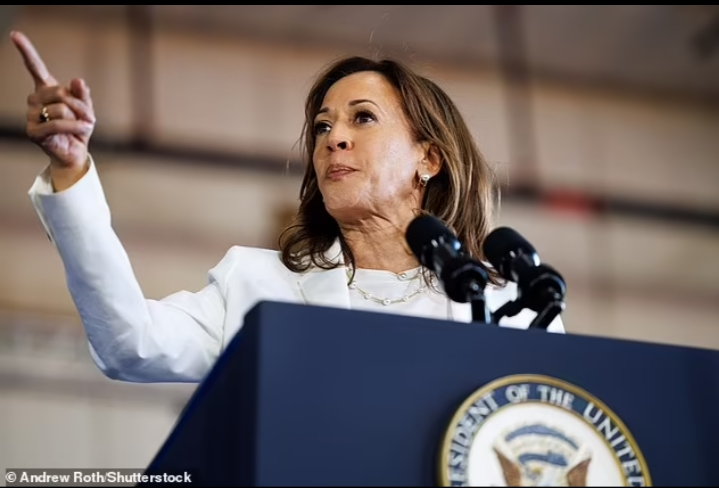
The debate over Vice President Kamala Harris’ tax plan has intensified as a group aligned with former President Donald Trump reveals detailed calculations showing the potential financial impact on American taxpayers. As the 2024 election approaches, understanding the possible implications of Harris’ proposed tax policies is crucial for many families and businesses.
A Closer Look at Harris’ Tax Plan
Harris’ plan aims to reverse many of the tax cuts implemented during Trump’s presidency. These cuts significantly benefited high-income earners and corporations, reducing their tax burdens and potentially boosting economic growth. However, the Trump-aligned group argues that undoing these cuts could lead to higher taxes for a broad spectrum of Americans, including middle-income families.
According to their analysis, if Harris’ plan were enacted, a typical family with an annual income of $75,000 could face several hundred dollars more in federal taxes each year. This increase would directly affect their disposable income, potentially making everyday expenses and savings more challenging. The group highlights that middle-income households, with less financial flexibility compared to wealthier families, would feel the impact most acutely.
High-Income Earners and Corporations: What’s at Stake
For high-income individuals, particularly those earning over $400,000 annually, Harris’ tax policies propose significant changes. The plan includes raising the top marginal tax rate, which could result in thousands of additional dollars in annual federal taxes. While these individuals typically have more resources, the increase in their tax liability could influence their spending and investment decisions.
Corporations would also experience notable changes under Harris’ proposal. The Trump administration’s tax cuts reduced the corporate tax rate, aiming to spur economic growth and job creation. Harris’ plan to raise this rate could increase operating costs for businesses. According to the analysis, this might lead to reduced corporate profits, potential workforce reductions, or diminished investments. Moreover, corporations may pass on these higher costs to consumers through increased prices for goods and services.
Wealth Redistribution and Economic Growth
One of the central tenets of Harris’ tax plan is wealth redistribution, aiming to address income inequality by increasing taxes on the wealthiest individuals and large corporations. Proponents argue that this approach is necessary to fund social programs and infrastructure projects that benefit the broader population, such as improved education, healthcare, and public transportation.
Critics, however, warn that higher taxes could stifle economic growth and discourage investment. They argue that increased tax burdens on corporations and high-income earners might lead to reduced business activity, job losses, and slower economic expansion. The Trump-aligned group points to the economic growth and job creation achieved during Trump’s presidency as evidence of the benefits of the tax cuts, suggesting that reversing these cuts could undermine these gains.
The Ongoing Debate
The analysis provided by the Trump-aligned group underscores the potential financial impact of Kamala Harris’ tax plan on American households and businesses. Middle-income earners may see a reduction in their take-home pay, while high-income individuals and corporations could face substantial increases in their tax liabilities. As the debate continues, Americans will need to carefully consider how these proposed changes could affect their financial well-being and the broader economy.
As discussions about Harris’ tax plan and its implications unfold, it’s clear that the impact on various income groups and businesses will be a critical issue in the upcoming election. Understanding these potential changes will be crucial for voters as they assess the future direction of the country’s tax policies.