The 2024 presidential race is gaining momentum, and recent polling data is causing a significant stir. According to a report by Newsweek on August 17, 2024, Vice President Kamala Harris is now leading former President Donald Trump in five out of seven critical battleground states. This shift marks a pivotal moment in the election and underscores Harris’s growing influence in the race.
The battleground states—Michigan, Pennsylvania, Wisconsin, Arizona, and Georgia—are often seen as the deciding factors in presidential elections. Historically, these states have swung between Republican and Democratic candidates, making them crucial in determining the overall outcome. Harris’s lead in these regions raises questions about Trump’s chances of reclaiming the White House and establishes Harris as a formidable contender.
In the 2020 election, these states were hotly contested, with Trump narrowly losing most of them to President Joe Biden. The latest polling indicates that Harris has not only maintained but expanded the Democratic lead in these key areas. This trend could have significant implications for the upcoming election.
One of the most striking aspects of this polling data is the demographic shift that seems to be driving Harris’s lead. Younger voters, women, and minority groups in these states are increasingly supporting Harris, reflecting broader national trends where the Democratic Party is seeing growing support from these demographics. In contrast, Trump’s support base—largely composed of older, white, and rural voters—has remained stable but hasn’t shown significant growth. This demographic divide will likely shape the strategies of both campaigns moving forward.
In Michigan, Harris holds a 4-point lead over Trump, a state that flipped to Trump in 2016 but returned to blue in 2020. Pennsylvania follows a similar pattern, with Harris leading by 3 points. Wisconsin, a pivotal state in Trump’s 2016 victory, now sees Harris ahead by 2 points. Arizona and Georgia, both traditionally Republican states that turned blue in 2020, continue to lean Democratic, with Harris leading by 3 and 2 points, respectively.
These numbers are not just statistics—they tell a story of changing political allegiances and evolving voter priorities. Key issues like the economy, healthcare, and social justice are top of mind for voters, and Harris’s messaging on these topics is resonating with a diverse coalition of supporters. Her focus on expanding healthcare access, addressing income inequality, and promoting racial justice is striking a chord with voters seeking change.
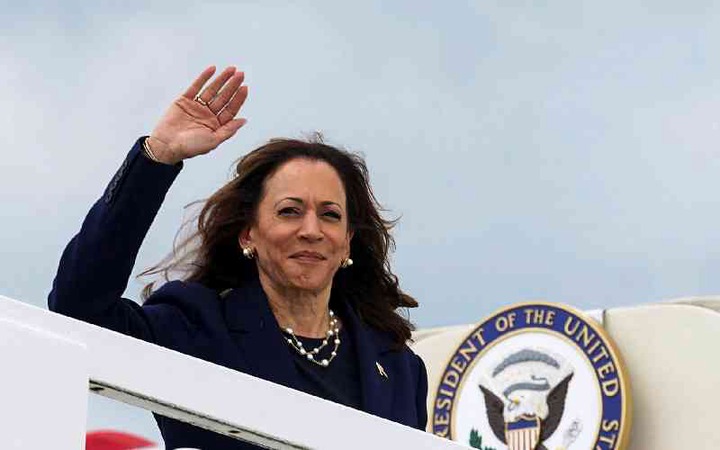
Meanwhile, Trump continues to push his “America First” agenda, focusing on immigration reform and a strong economy. However, it seems that his message is not resonating as strongly as it did in 2016. The Trump campaign is likely concerned by these developments and will need to energize its base, increase voter turnout, and win over undecided voters to regain the lead.
For Kamala Harris, this polling data is a significant boost, but it also brings added pressure. As the first woman, first African American, and first Asian American vice president, Harris has already made history. Winning the presidency would solidify her legacy, but the path ahead is filled with challenges. She must maintain her lead in these battleground states and broaden her appeal to independents and moderates, who could be crucial in the general election.
As the 2024 campaign continues to unfold, both candidates will be closely watching these battleground states, knowing that they could ultimately decide the election. With over a year to go, the race is far from decided, but for now, Kamala Harris has reason to be optimistic as she outpaces Donald Trump in these critical states.