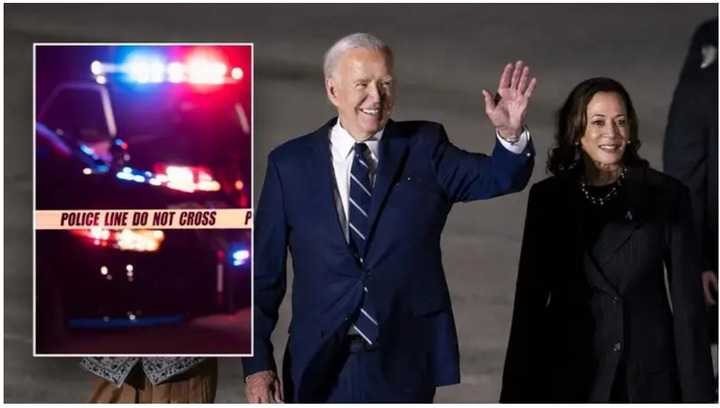
The Biden-Harris administration has proudly claimed a decline in national crime rates, positioning their policies as successful in making American cities safer. However, recent independent analyses cast doubt on these optimistic assertions.
A report released on August 17, 2024, by CNN reveals that violent crime has actually risen in 66 major U.S. cities, contradicting the administration’s claims of improved public safety. The administration’s data, derived from preliminary reports of select law enforcement agencies, shows a modest decrease in crime rates for the first half of 2024.
Despite these figures, independent research from the Council on Criminal Justice (CCJ) paints a more troubling picture. The CCJ’s analysis highlights an increase in violent crimes such as homicides, aggravated assaults, and robberies across major U.S. cities. While property crimes have seen a slight reduction, the surge in violent incidents overshadows these gains.
This discrepancy has sparked significant debate. Critics argue that the administration is selectively presenting data to create a more favorable narrative ahead of the upcoming election. The Biden-Harris administration faces mounting pressure to address public safety concerns, particularly in urban areas where crime rates are climbing.
Experts from the CCJ attribute the rise in violent crime to several factors, including economic stress, the proliferation of firearms, and the lingering impacts of the COVID-19 pandemic. They note that while federal initiatives have focused on community policing and mental health services, these measures have yet to produce the desired results.
In response to the CCJ report, White House Press Secretary Karine Jean-Pierre defended the administration’s approach, emphasizing that effective crime prevention is a complex issue requiring time. She reiterated the administration’s commitment to supporting law enforcement and providing resources to the communities most affected by crime.
CNN also reports that the administration has announced additional funding for crime prevention programs. These initiatives include efforts to reduce gun violence and improve police-community relations. However, critics suggest that these measures may come too late as cities continue to struggle with increasing violence.
As the 2024 election approaches, the debate over crime statistics is expected to intensify. With public safety being a critical concern for voters, the administration’s handling of crime will be under close scrutiny from both political opponents and the general public. The contrast between the administration’s optimistic messaging and independent data poses a significant challenge as they strive to demonstrate that America is becoming safer.