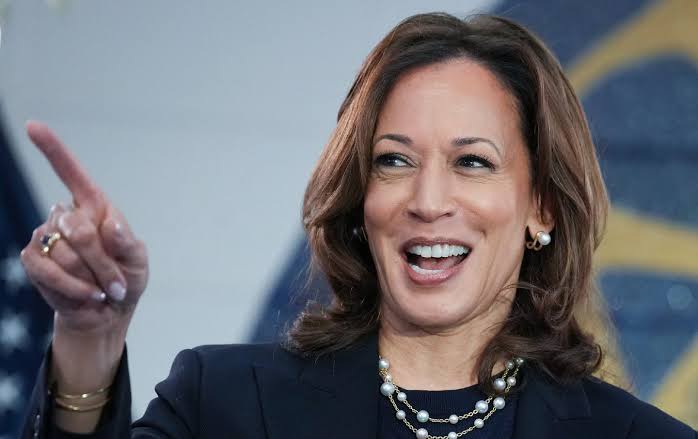
Vice President Kamala Harris continues to rise within the Democratic Party, speculation about how she might handle Hunter Biden’s legal issues if she becomes president has sparked considerable debate. Hunter Biden, the son of President Joe Biden, is currently facing serious legal challenges, including a felony gun charge and upcoming tax evasion trial. This has led many Democratic leaders to express doubts about whether Harris would consider a presidential pardon for him.
At the Democratic Party convention in Chicago this week, party members voiced skepticism about the idea of Harris intervening in Hunter Biden’s legal troubles. Many believe that granting such a pardon would be unprecedented and contrary to Democratic values.
Hunter Biden’s legal issues include a felony conviction for lying about drug use during a firearm purchase and a pending trial for tax evasion. Despite the gravity of these charges, some legal experts suggest he might avoid prison time for the gun charge. Nevertheless, the notion of a presidential pardon has generated significant debate, particularly given Harris’s potential future presidency.
Representative Jamie Raskin of Maryland has made clear that the idea of Harris pardoning Hunter Biden is unlikely. He compared such a move to practices associated with former President Donald Trump, who was known for pardoning family members and allies. “No, no, that’s [Donald] Trump politics. He’s the one who pardons his family members and his political party,” Raskin stated in an interview with the Washington Examiner.
This sentiment is echoed by other Democrats, who view a potential pardon as politically problematic. Senator Richard Blumenthal of Connecticut remarked that there has been no serious discussion within the party about such an action. “I have heard no talk whatsoever” of a pardon, Blumenthal said, adding, “I sincerely doubt it. I don’t think Kamala Harris will be pardoning anyone.”
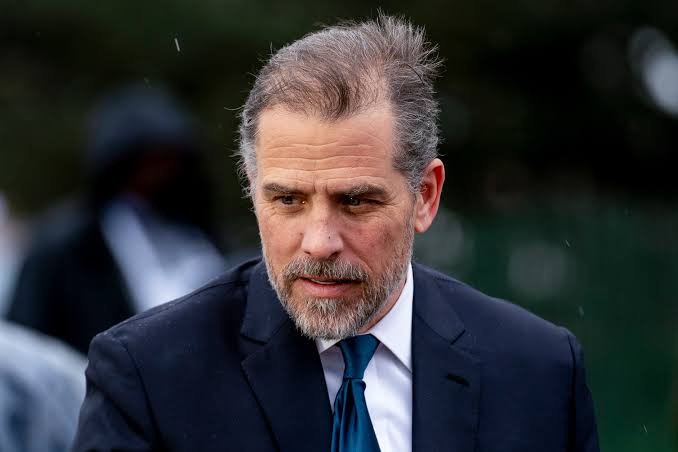
The complexity of the situation is compounded by the timing of Hunter Biden’s sentencing, which is expected to occur after the November election. This timing could influence political dynamics depending on the election’s outcome. Additionally, a recent Delaware court decision rejected an attempt by Hunter Biden’s legal team to dismiss his tax evasion case, ensuring that the trial will proceed in California next month.
Critics of the Biden administration have used Hunter Biden’s legal troubles to argue that it reflects issues of privilege and unequal treatment under the law. President Joe Biden has maintained a firm stance on not interfering with the judicial process, emphasizing his commitment to judicial independence. Following Hunter Biden’s conviction, the president vowed to “abide by the jury’s decision,” underscoring his determination to avoid any appearance of impropriety.
Representative Bennie Thompson from Mississippi has also expressed opposition to the idea of a pardon, reinforcing the consensus among Democrats to distance themselves from practices perceived as politically motivated. “I wouldn’t recommend to her that she do it,” Thompson said, referring to Harris.
The reluctance among Democratic leaders to consider a pardon for Hunter Biden highlights their efforts to avoid the controversial practices of the previous administration. While President Trump’s pardons were often viewed as politically charged, Democrats are keen to maintain a clear distance from such practices, focusing instead on upholding principles of fairness and justice.