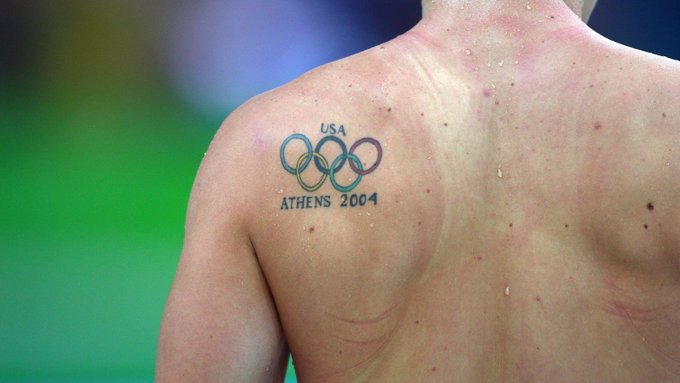
A significant policy shift, the Paralympic Games has announced that it will no longer prohibit athletes from displaying tattoos of the Olympic rings. This decision marks the end of a years-long ban that had sparked debate and controversy within the sports community.
For years, Paralympic competitors faced restrictions on showcasing Olympic ring tattoos, a rule that many argued was outdated and restrictive. The Olympic rings, a symbol of the global sporting movement, are often seen as a mark of achievement and pride for athletes. The previous ban had been criticized for limiting athletes’ personal expression and for not aligning with the spirit of inclusivity and unity that the Paralympics embodies.
The lifting of this ban is expected to have a positive impact on the Paralympic athletes who have Olympic ring tattoos. These tattoos represent their connection to the broader Olympic movement and their own achievements in the world of sports. By allowing these tattoos, the Paralympics is recognizing the value of personal expression and celebrating the achievements of athletes across both the Olympic and Paralympic arenas.
This policy change aligns with a broader trend towards greater inclusivity and respect for athletes’ personal choices. It underscores the Paralympics’ commitment to embracing the diverse backgrounds and personal stories of its competitors. The decision is likely to be welcomed by athletes and fans alike, reflecting a more open and supportive environment in the world of competitive sports.
As the Paralympics continues to evolve and adapt, this move represents a step forward in acknowledging and honoring the achievements of all athletes, regardless of the symbols they choose to display.