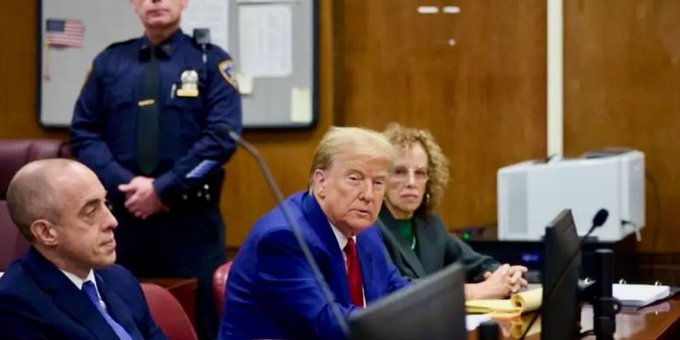
A significant legal setback for former President Donald Trump, a federal judge has denied his request to move the Manhattan criminal case against him to federal court. The decision keeps the case, which involves allegations of falsifying business records in connection with hush money payments made during the 2016 presidential campaign, within the jurisdiction of the state court system.
Trump’s Legal Maneuvering Fails
Trump’s legal team argued that the charges should be heard in federal court because they were allegedly connected to his official duties as President. They claimed that the payments, intended to silence allegations of extramarital affairs, were tied to his role in safeguarding his public image while in office. However, the judge ruled that the allegations pertain to Trump’s personal conduct, not his official presidential duties, thus warranting the case to remain in state court.
Implications for Trump’s Defense Strategy
The decision is a blow to Trump’s defense strategy, which sought the perceived advantages of federal court, including a potentially more favorable jury pool and the possibility of a presidential pardon if he were to be re-elected. Now, Trump must face the charges in Manhattan’s state court, where the district attorney has been aggressively pursuing the case.
Potential Impact on 2024 Campaign
This legal defeat comes as Trump continues to lead the Republican field for the 2024 presidential nomination. The ongoing criminal proceedings could have a significant impact on his campaign, potentially drawing attention away from his political messaging and raising concerns among voters about his legal troubles. The decision underscores the legal challenges Trump faces as he seeks to return to the White House, with the Manhattan case being just one of several ongoing investigations.
As Trump’s legal battles intensify, the refusal to move his Manhattan criminal case to federal court highlights the complexities and challenges that lie ahead. The outcome of this case could have far-reaching implications not only for Trump’s legal future but also for the broader political landscape as the 2024 election approaches.