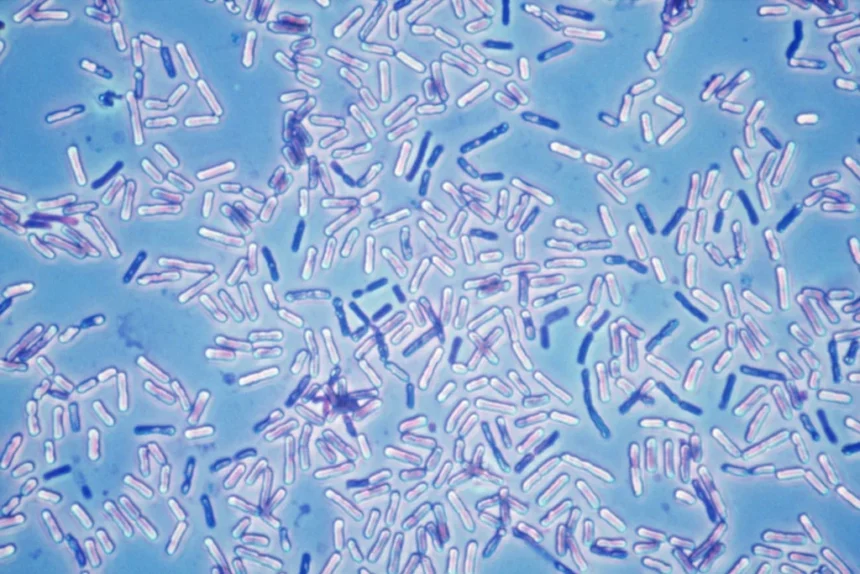
We live in an era where alarming news about existential threats is part of daily life. But amid the noise, a chilling warning has emerged: the rise of “mirror bacteria,” an engineered form of life that scientists now fear could lead to catastrophic ecosystem collapse and mass extinction.
Unlike exaggerated claims that fade into obscurity, this concern has united over 35 prominent scientists from diverse fields, culminating in a December report in Science that outlines the dangers. The concept of mirror life might sound like a sci-fi twist, but it’s rooted in real biochemistry.
What Is Mirror Life?
To understand mirror bacteria, imagine flipping the world of proteins on its head. Proteins, the building blocks of life, are made up of amino acids that come in “left-handed” and “right-handed” forms. Remarkably, all life on Earth relies exclusively on left-handed amino acids. But what if we created life using the mirror image right-handed amino acids?
While this idea once seemed like an exciting frontier of synthetic biology, capable of creating a new “tree of life,” recent research suggests that mirror bacteria could wreak havoc if introduced into the environment.
Why Mirror Bacteria Are Dangerous
Initially, scientists believed mirror bacteria would be harmless because they couldn’t consume the molecules that sustain existing life. However, new findings reveal that these organisms could adapt and survive using simple nutrients found in the environment or within living hosts.
Even more troubling is the fact that current life forms, including humans, might lack the ability to fight off these mirror organisms. Our immune systems, finely tuned to detect and combat conventional bacteria, could fail to recognize or respond effectively to mirror bacteria.
The consequences? An invasive species with no natural predators, capable of spreading rapidly and disrupting ecosystems on an unprecedented scale. According to the Science report, this could result in “irreversible harm” to plants, animals, and humans alike.
Scientists Sound the Alarm
This is not a debate between skeptics and optimists. Some of the very researchers who initially pursued the creation of mirror life have now joined the call to halt such work entirely. Kate Adamala, a synthetic biologist and once a proponent of mirror cell research, has shifted her stance after collaborating on the 299-page report that detailed the potential dangers.
“We’re not going to do it,” Adamala stated, reflecting the collective decision of experts to prioritize caution over curiosity.
A Glimmer of Hope
The good news is that mirror life remains largely theoretical. Decades of research would still be needed to bring it to reality, giving scientists and policymakers ample time to address the risks. Governments, including the U.S., have already begun reassessing biosafety protocols to prevent unintended consequences.
This collaborative response scientists recognizing the danger and taking proactive measures offers a model for tackling other global risks. It’s a reminder that human ingenuity can be a force for both creation and prevention.
For now, the world seems poised to take the right steps, ensuring that curiosity doesn’t lead to catastrophe.