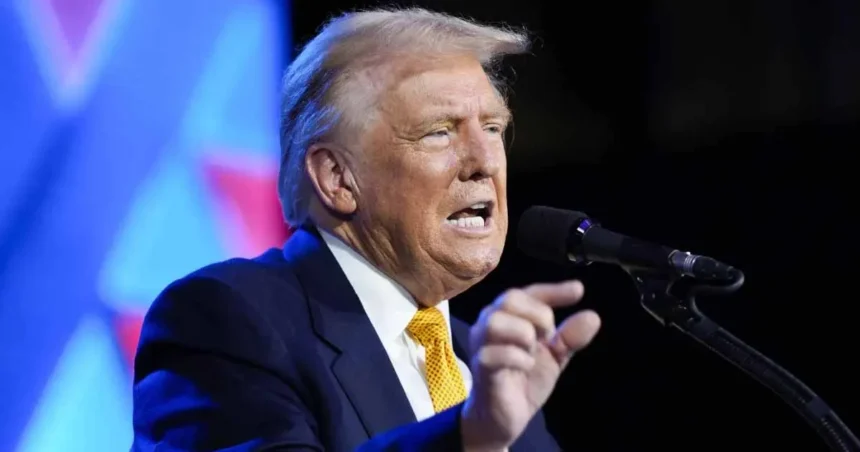
A massive $250 million is expected to flood Donald Trump’s inauguration fund, but the influx of cash raises pressing questions about where the money will go. Tech billionaires and top business leaders have poured substantial contributions into the record-breaking amount, far surpassing the actual costs of the event itself.
While the U.S. government has already covered many of the inaugural event’s expenses, the surplus funds remain under the discretion of the president-elect. This has sparked concerns about potential misuse and lack of transparency, with critics questioning if the money could be funneled into Trump’s businesses or political ventures.
Craig Holman of the watchdog group Public Citizen expressed the growing concerns: “Is it going to Trump’s businesses? To Trump’s Super PAC? We don’t know and Trump never has to tell us.” The issue is further complicated by the absence of clear guidelines on how the funds should be spent, leaving the public with little insight into the allocation of such a large sum.
Under current regulations, Trump’s team has 90 days to release the names of donors, but there is no obligation to detail the expenditures. This lack of accountability mirrors the controversy surrounding Trump’s transition process, which also bypassed public funding and its associated restrictions.
Despite promises in November to disclose private donors, Trump’s team has yet to release any information, with no legal mechanism to enforce this pledge. Concerns over undue influence are growing, with some sources hinting at efforts to gain favor with the new administration.
A former Biden administration official emphasized that much of the inaugural event’s funding comes from public dollars, pointing out the misconception that donations, such as Meta CEO Mark Zuckerberg’s $1 million, would go toward ceremonies like the swearing-in. The sheer volume of private contributions has also prompted fears of potential bribery and influence-buying, raising doubts over the true intentions behind the donations.
With the limited transparency required for inaugural fundraising, many are left wondering whether the public will ever know how the $250 million is truly spent.