

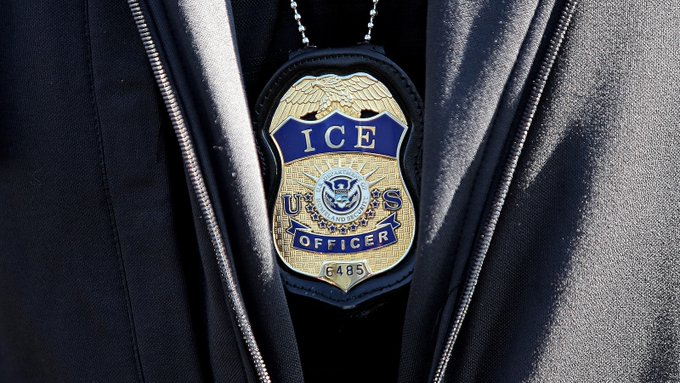
The family of a 2-year-old girl—an American citizen by birth—has unexpectedly dropped its lawsuit against the Trump administration after she was deported to Honduras with her mother last month. The case, which captured national attention, highlighted the confusion and controversy surrounding the deportation of U.S. citizen children in immigration enforcement operations.
One of the attorneys representing the family confirmed to ABC News that the legal complaint was voluntarily dismissed, but declined to elaborate on the specific reasons for ending the suit. The child, whose identity remains undisclosed to protect her privacy, was born in the United States, granting her automatic citizenship. However, immigration authorities deported her along with her mother, who is not a U.S. citizen, during an enforcement action that has since sparked public outcry.
A Legal Gray Area in Immigration Enforcement
The case is emblematic of the complex intersection of immigration law and citizenship rights. While the U.S. Constitution guarantees citizenship to anyone born on American soil, that protection doesn’t always shield children from the consequences of their parents’ immigration status. In this instance, the child’s rights as a citizen appear to have been overlooked when she was removed from the country.
Legal experts say such situations are more common than many realize. U.S. Immigration and Customs Enforcement (ICE) has long maintained that it does not deport American citizens. But when minors are involved—especially those too young to advocate for themselves—deportations can occur by default when parents are removed and no alternative care plan is established inside the country.
“The government’s responsibility doesn’t end at deporting undocumented immigrants,” said an immigration attorney not connected to the case. “They also have a duty to safeguard the rights of U.S. citizen children, and that includes ensuring they aren’t sent to a country they don’t belong in.”
Why the Lawsuit Mattered
The lawsuit originally filed by the family accused the government of violating the child’s constitutional rights, arguing that her deportation constituted unlawful removal. It sought to hold immigration authorities accountable for failing to uphold due process for a minor who is legally entitled to live in the United States.
By voluntarily dismissing the suit, the family ends what could have become a high-profile legal challenge to the Trump-era immigration policies that critics say often sacrificed human rights in the name of border security. While the lawsuit may no longer proceed, its brief existence raised critical questions about how the U.S. treats its most vulnerable citizens—particularly in the context of immigration enforcement.
Political Context Adds Fuel to the Fire
The incident occurred under the lingering shadow of immigration policies from the Trump administration that prioritized swift removals and harsh deterrence tactics. Although some of those policies have since been modified or rolled back under President Biden, their effects continue to be felt, especially among families still grappling with long-term consequences.
Child deportations are not officially tracked in public data, making it difficult to estimate how frequently similar cases occur. But advocacy groups say the 2-year-old’s deportation is not an isolated event. In many cases, parents face an impossible decision: take their U.S.-born children with them when deported, or leave them behind in the care of relatives or the foster system.
“The trauma these families endure is immeasurable,” said a spokesperson for an immigrant rights organization. “A toddler doesn’t get to make a choice about where to live, and yet her rights as an American citizen were essentially erased.”
A Quiet End, But Loud Implications
Although the family’s lawsuit won’t move forward, the public reaction has already left a mark. News of the deportation triggered widespread debate across social media and news outlets, with many Americans expressing outrage that a U.S. citizen could be deported at all—let alone a 2-year-old child.
The decision to withdraw the case leaves many questions unanswered. Was the family pressured to drop the suit? Were there settlement discussions behind the scenes? Or did the emotional toll of public scrutiny simply become too much to bear? The family and their legal representatives have remained silent on these issues, perhaps seeking privacy after a highly public ordeal.
Broader Questions Remain Unresolved
As the dust settles, the core issue persists: what protections exist for U.S.-born children when their parents are deported? Legal analysts say more robust policies are needed to prevent future violations of children’s rights, including clearer protocols for identifying and safeguarding the status of citizen minors during enforcement operations.
For now, the story of this 2-year-old girl serves as a painful reminder that even citizenship isn’t always enough to guarantee protection under the law—especially when families are caught in the machinery of a system often criticized for its lack of compassion and oversight.
The family may have chosen to walk away from their legal battle, but their case has already sparked a larger conversation—one that immigration advocates hope will lead to lasting change.








My understanding is that the parents are first given the choice to either take the kid w them or leave the kid w a relative or someone who would have custody over the kid. Often times, the parents would take the kid back w them. Most of the times, the news media would only report or say half truth/facts. They would report that the kid was also being deported along w the parents. Most ppl, after hearing about it, would just take it and run w it w/o knowing the whole story or do more digging I ng or more facts. I’d like to see that ppl would ratchet a few notches down and not rush to some judgements based solely on emotions!