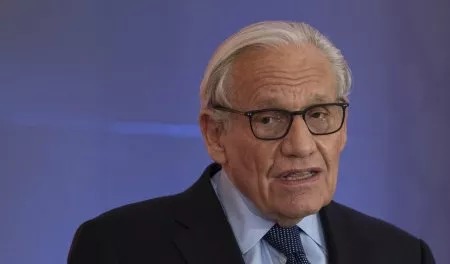
Renowned journalist Bob Woodward has refuted former President Donald Trump’s claim that he was too occupied to deal with the classified documents stored at Mar-a-Lago. In a recent interview on MSNBC, Woodward disclosed that, despite Trump’s assertions of being too busy, he engaged in extended conversations with the journalist, often exceeding 25 minutes.
Woodward, famed for his Watergate reporting, dismissed Trump’s busy schedule excuse, stating, “I have no doubt that he was not busy with the affairs of state but busy with his own affairs.” The Department of Justice had previously issued a subpoena to Trump in 2022, demanding the return of classified White House documents taken to Mar-a-Lago. However, the FBI discovered additional classified documents during a raid in August 2022, leading to legal troubles for Trump.
“I don’t know how many, 15 to 20 boxes I think it was, at Mar-a-Lago with all of this classified material,” Woodward emphasized, shedding light on the extent of the classified documents still present at Trump’s residence.
Woodward’s audiobook, titled “The Trump Tapes,” features hours of recordings from their interviews, offering insights into Trump’s mindset at the time. Despite Trump’s lawsuit against Woodward for releasing the tapes, legal experts suggest that the lawsuit faces significant challenges. Trump alleges copyright infringement and seeks nearly $50 million in damages, but analysts argue that presidents don’t own copyrights for interviews conducted as part of their official duties.
Attorney Floyd Abrams, a First Amendment specialist, stated, “This lawsuit is not going to go anywhere,” highlighting the official purpose of the interviews in informing Woodward’s 2020 book “Rage” about Trump’s presidency.
The lawsuit also claims that the tapes were manipulated to make Trump look bad, but legal experts find this assertion dubious. Law professor Heidi Kitrosser emphasized that Trump’s interviews with Woodward were conducted in his official capacity and, therefore, don’t grant him copyright interests.
Jameel Jaffer, director of the Knight First Amendment Institute at Columbia University, expressed skepticism about the tapes being deceptively edited, stating, “It’s hard to believe that Woodward and Simon & Schuster actually distorted the recordings to make Trump look worse.”
Despite Trump’s legal efforts to portray himself as a victim, media law experts argue that presidents lack legal rights over interview recordings made in their official capacity. The lawsuit, they contend, is unlikely to succeed, given the public interest in the matter and the journalistic nature of the recordings.