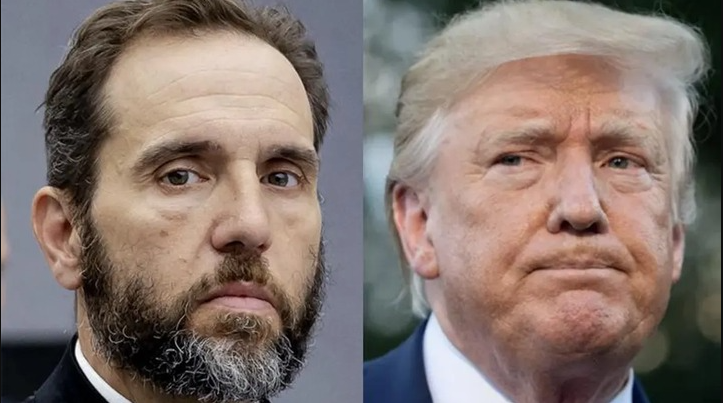
In the latest development surrounding the legal proceedings related to the 2020 Racketeer Influenced and Corrupt Organizations Act (RICO) case, attorneys representing former President Donald Trump have voiced apprehensions regarding an upcoming trial in Fulton County, Georgia. The crux of their argument is the perceived risk that this trial, slated amidst ongoing legal battles, could potentially cast a shadow on the integrity of the 2020 election results.
Trump’s legal team contends that holding the trial at this juncture may unduly influence public perception and unfairly impact future electoral processes, specifically the upcoming 2024 election cycle. Their assertion hinges on the temporal connection between the trial and its potential repercussions on the aftermath of the 2020 election.
Critics and legal experts have responded with varying perspectives. Some view the move as a strategic maneuver to influence or delay legal proceedings, while others assert that the trial’s timing should not impede the pursuit of justice and legal accountability, irrespective of its potential political implications.
The ongoing legal dispute has become a focal point in broader discussions concerning election integrity, legal challenges, and the intricate relationship between legal processes and political considerations.
As the legal saga unfolds, both sides vehemently advocate their positions, contributing to a highly contentious legal battle. The outcome remains uncertain, with potential ramifications for future legal proceedings and the political landscape.
Former President Donald Trump’s legal representatives’ recent contention over the timing of the Fulton County trial has sparked intense debate within the legal community. The crux of the discussion revolves around whether this trial, linked to the 2020 election and a RICO case, could be construed as interference in the electoral process.
Legal scholars and experts offer divided opinions. While some acknowledge the potential for political influence due to the trial’s timing, others assert that legal proceedings should progress independently of their impact on future political events.
This debate has triggered a broader conversation about striking a balance between legal processes and their potential implications for the political landscape. Trump’s legal team’s argument has brought attention to the complexities of ensuring justice while navigating the sensitivities of highly charged political environments.
The significance of maintaining the integrity of legal procedures without succumbing to perceived political influences has been underscored. As the legal community engages in spirited discussions, the implications of this debate on future legal proceedings and the broader discourse surrounding election-related cases continue to be closely scrutinized.