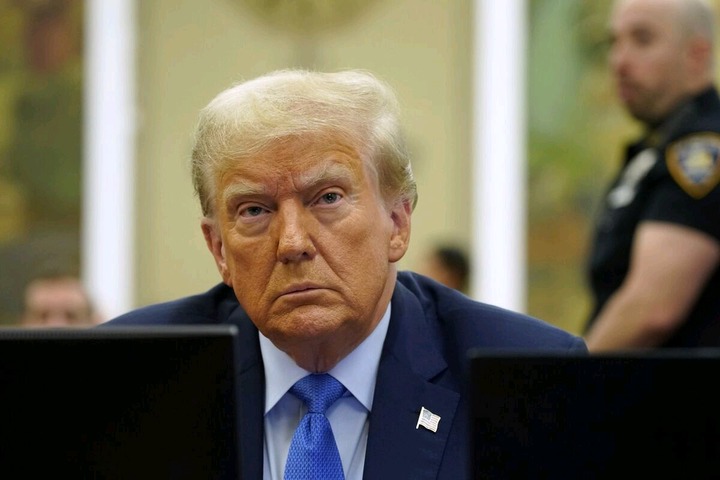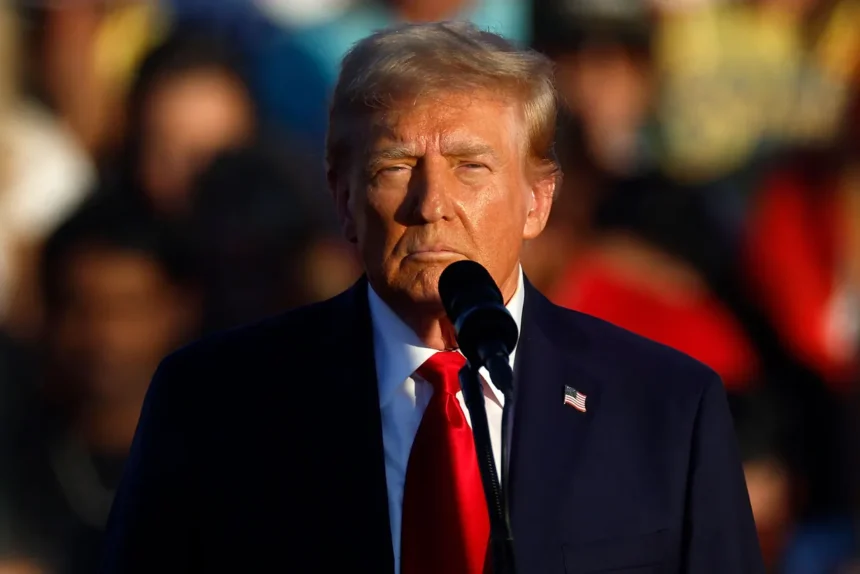
Victory for Donald Trump in the upcoming presidential election could significantly weaken regulations overseeing artificial intelligence (AI) development in the United States. His opposition to “woke” safety standards raises concerns about the potential dismantling of critical protections against misinformation, discrimination, and other harmful consequences of poorly designed AI systems.
The Dangers of Unregulated AI
Trump’s re-election may lead to a dramatic shift in how AI is managed, which could heighten the risks associated with its growing presence in various sectors, including transportation, healthcare, and employment. An executive order issued by President Joe Biden in October 2023 has begun establishing government oversight for AI companies. However, Trump has pledged to repeal this order, arguing that it stifles innovation and imposes radical ideas on AI development.
Supporters of Trump’s position include influential figures in technology and politics, such as Elon Musk, venture capitalist Marc Andreessen, and several Republican lawmakers. They view Biden’s executive order as an unnecessary hindrance in the race for technological dominance, particularly against competitors like China.
Biden’s Executive Order
Biden’s executive order aims to enhance AI safety, including provisions for reporting how AI models are trained and safeguarded against potential tampering. One key requirement mandates that developers share results from “red-team tests,” which identify vulnerabilities in AI systems through simulated attacks. Another directive instructs the National Institute of Standards and Technology (NIST) to provide guidelines for creating AI that is secure from cyber threats and free of biases.
Many proponents argue these measures are crucial for maintaining governmental oversight and fostering security in an increasingly AI-driven society. However, conservative critics contend that these requirements represent an illegal overreach, infringing upon the rights of AI developers and exposing sensitive trade information.
Political Fallout and Industry Response
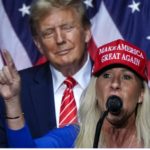
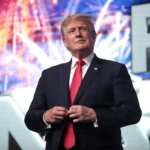
Trump has openly criticized Biden’s executive order at public rallies, vowing to cancel it and eliminate any government role in regulating AI’s influence on free speech. This stance resonates with his base, which is increasingly concerned about perceived overreach and censorship.
The controversy surrounding the reporting requirements reflects broader tensions in the political landscape. Republicans assert that excessive regulation could deter innovation and weaken the U.S. position in the global technology race. Critics argue that the current focus on potential social harms from AI detracts from addressing more immediate threats, such as cybersecurity and terrorism.
The Role of NIST in AI Safety
NIST’s efforts to integrate social considerations into AI guidelines have sparked a fierce backlash from conservatives, who label them as “woke” and an infringement on free speech. They argue that the guidelines could lead to government censorship, undermining the effectiveness and usefulness of AI technologies.
Despite these claims, numerous studies have demonstrated that AI systems often exhibit biases that perpetuate discrimination, impacting areas like hiring practices and law enforcement. Many AI experts contend that addressing these biases is essential for the responsible development of technology that serves all Americans fairly.
Future of AI Oversight
If Trump secures another term, the implications for AI regulation could be profound. His administration may prioritize maximizing opportunities afforded by AI while minimizing regulatory burdens. This approach could dismantle the reporting requirements and reshape NIST’s guidelines, potentially favoring established companies over startups.
Opponents of this potential shift warn that a lack of regulatory oversight could have severe consequences. Without proper safeguards, AI systems may become untrustworthy and contribute to societal harms, ranging from misinformation to discrimination in critical services.