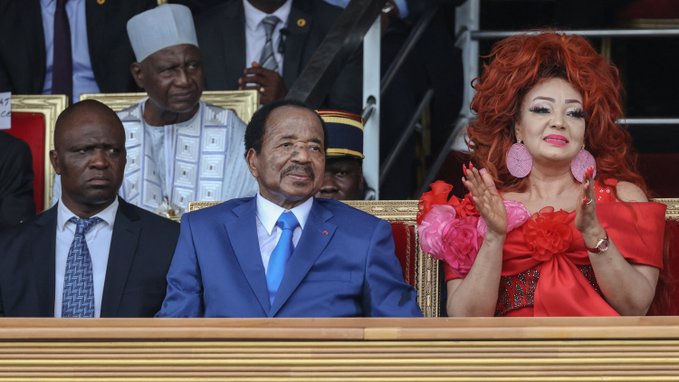
Continent known for its vibrant and youthful population, Africa’s political landscape is increasingly dominated by leaders in their 80s and even 90s. This generational gap between the continent’s aging rulers and its youthful populace has sparked a growing call for change. Many young Africans are looking to President Biden’s example and advocating for their leaders to step aside in favor of new, dynamic leadership.
Africa, with its youngest demographic globally, contrasts sharply with its political leadership. The continent’s median age is notably lower than in other regions, which underscores the disconnect between the ruling elite and the younger generation. The disparity is becoming more pronounced as younger citizens voice their frustration with long-serving leaders who, despite their age, continue to hold significant power.
The recent calls for change are inspired by global figures like U.S. President Joe Biden, who, despite his own advanced age, represents a shift towards addressing the needs of a younger demographic. African youth, influenced by such examples, are increasingly demanding that their leaders follow suit and make way for a new generation of politicians who better represent their aspirations and challenges.
As the continent grapples with this tension between old and new, the question remains whether its elderly leaders will heed these calls for reform. The situation highlights a broader trend of generational shifts in leadership and the growing influence of younger voices on the political stage.