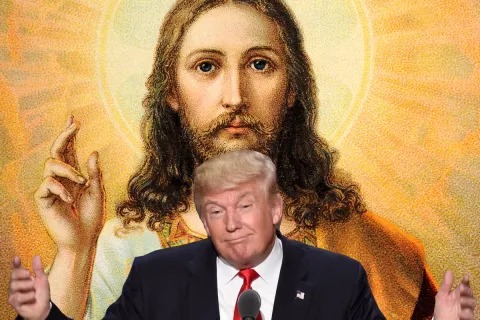
Recent reports highlight a concerning trend in American society—the emergence of a widespread and dangerous political cult phenomenon amidst heated political climates. Sociologists, while defining a cult broadly as a group with excessive devotion leading to manipulation and dissent suppression, now apply this lens to modern political movements.
This phenomenon transcends historical isolated cults like Jonestown and Waco, manifesting in the intense political tribalism gripping the nation. Movements on both sides of the political spectrum exhibit cult-like behaviors characterized by extreme loyalty, ideological inflexibility, and demonization of outsiders.
Notably, personality cults around political figures, akin to traditional cult leaders, command unwavering allegiance, blurring the lines between rational discourse and blind devotion. The events of the Capitol riot starkly exemplified this dangerous loyalty, revealing how followers can forsake democratic principles for their leader’s agenda.
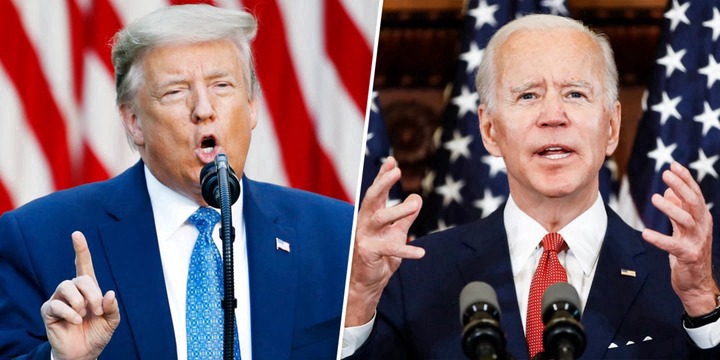
While extremism may not always lead to violence, the left’s ideological rigidity and cancel culture tactics stifle dissent akin to cultish purging practices. Social media amplifies these tendencies, creating echo chambers and fueling polarization.
Addressing this crisis demands a multifaceted approach. Education emphasizing critical thinking, media literacy, responsible social media algorithms, and political leaders fostering respectful discourse are crucial steps toward restoring a healthy political environment.
The urgency lies in recognizing and mitigating these cult-like dynamics before they further erode democratic norms and societal cohesion.