Tammilynn Elerath anticipated a captivating performance from businessman Vivek Ramaswamy during the recent Republican primary debate, but his relentless verbal attacks on opponents left her disillusioned. Elerath, a 50-year-old youth pastor from Andover, Mass., found solace in the resilience of former South Carolina Gov. Nikki Haley, who emerged as a beacon of representation in her eyes.
Reflecting on Haley’s appeal, Elerath stated, “We’re supposed to be a government by the people, for the people, and I had never felt that my government represented me until her.”
In recent conversations with Republican primary voters, a recurring sentiment revolves around Haley’s approachability, strength, and warmth. These qualities have contributed to her notable surge in the 2024 race, as evidenced by an 18-point increase in a CBS News/You Gov poll conducted in New Hampshire since September.
Haley’s rise underscores the significance of likability in politics, especially for female candidates, as history and research indicate that voters may not support women they dislike, even if qualified. Amanda Hunter, executive director of the Barbara Lee Family Foundation, notes that women often navigate a delicate balance of appearing friendly yet strong to garner likability.
Haley’s adept navigation of this balance has resonated with voters. Described as “warm” and “approachable,” she has managed to convey familiarity, with supporters like Patty Rob appreciating her ability to maintain a warm demeanor even amid debate challenges.
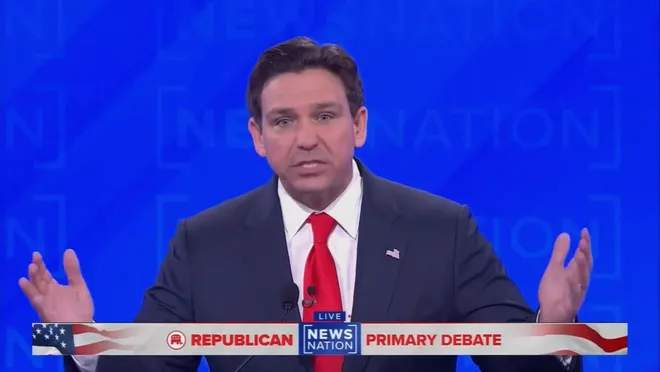
Contrastingly, some male counterparts, such as former President Donald Trump and Florida Gov. Ron DeSantis, have faced criticism for being perceived as less likable. Voters have used terms like “jerk” and “awkward” to describe them, contributing to lower likability ratings in comparison to Haley.
While likability historically plays a pivotal role in shaping voter preferences, recent developments suggest a shift away from assessing candidates solely on personal appeal. Political scientist Ken Warren emphasizes that likability has not been proven to substantially impact voter decisions. However, he acknowledges the advantage of being liked when all other factors are equal.
Despite Haley’s popularity in New Hampshire, where more than 50% of respondents described her as likable and reasonable, the dynamics of the 2024 Republican primary continue to favor Donald Trump, with Haley trailing third in the Real Clear Politics national polling average.
As likability remains a factor that resonates with voters, its precise impact on election outcomes remains complex. Whether it’s a defining factor or one of many considerations, the interplay between likability and political success continues to shape the landscape of electoral politics.