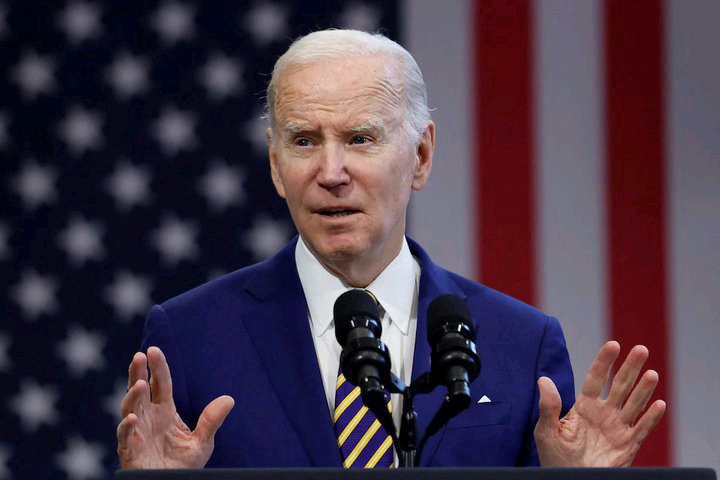
President Biden’s recent signing of H.R. 7691 has ignited considerable debate, particularly about its impact on Social Security benefits. This legislation aims to extend Social Security benefits to Ukrainian refugees, prompting questions about the sustainability and fairness of such a policy amidst existing fiscal concerns.
The Core of the Controversy
Senator Mike Lee’s comments highlight a primary concern: the strain on the federal budget caused by extending Social Security benefits to non-citizens who have not contributed directly to the system. Lee pointed out that the federal government spends $7 trillion annually, exceeding its tax revenue by $2 trillion, with Social Security consuming a significant portion of this expenditure.
Social Security’s Original Intent
The Social Security program was initially designed to provide retirement and disability benefits to American workers who contribute through payroll taxes. However, the system faces financial challenges, with projections indicating that the Social Security Trust Fund could be depleted by 2035. This situation necessitates reforms to ensure the program’s long-term solvency.
Fiscal Viability Concerns
Extending benefits to Ukrainian refugees, who have not paid into the system, raises concerns about the program’s fiscal viability. Critics argue that such expansions further strain an already burdened system, potentially accelerating the depletion of funds available to American workers who have contributed over their careers.
Demographic Challenges
This concern is exacerbated by demographic trends, including an aging population and declining birth rates, which place additional pressure on Social Security resources. The need for reform is evident to maintain the program’s sustainability.
Humanitarian Perspective
Proponents of H.R. 7691 highlight its humanitarian merits, emphasizing the need to support vulnerable populations displaced by conflict and persecution. They argue that extending benefits to Ukrainian refugees aligns with American values of compassion and solidarity during crises.
Balancing Act
However, critics maintain that while humanitarian considerations are significant, they must be balanced against the fiscal realities of a program crucial to millions of retirees and disabled Americans. There are also concerns about the process by which non-citizens become eligible for Social Security benefits under the new legislation, raising potential issues of abuse or fraud.
Broader Fiscal Context
With a national debt exceeding $30 trillion and ongoing debates over federal spending priorities, every expenditure decision, including those related to Social Security, demands careful scrutiny. Advocates for reform stress the need for sustainable policies that safeguard benefits for current and future beneficiaries while ensuring the program’s financial integrity.
The debate over H.R. 7691 underscores a critical tension between humanitarian aid and fiscal responsibility. As the nation grapples with these issues, finding a balance that preserves the Social Security system’s viability while addressing urgent humanitarian needs remains a formidable challenge.