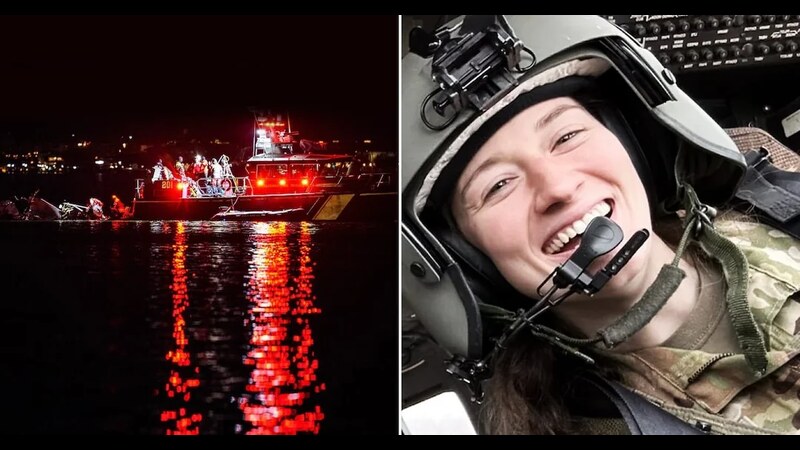
Tragic military helicopter crash that former President Donald Trump blamed on diversity, equity, and inclusion (DEI) has sparked outrage—but here’s what he left out: the female pilot at the center of the controversy was no ordinary officer. She ranked in the top 20% of Army cadets, proving herself among the elite long before stepping into the cockpit.
As the debate over DEI policies rages on, social media has been flooded with misinformation about the qualifications of the pilot involved in the fatal accident. Critics seized on the tragedy to push narratives about lowered standards in military training, but records reveal a starkly different reality. This pilot, whose name has not been officially released, was a standout performer from the beginning of her military career.
According to sources within the Army, she graduated as one of the top cadets in her class, excelling in both leadership and technical skills. Her evaluations placed her in the top 20% of her peers, an achievement that reflects rigorous training and dedication rather than any preferential treatment.
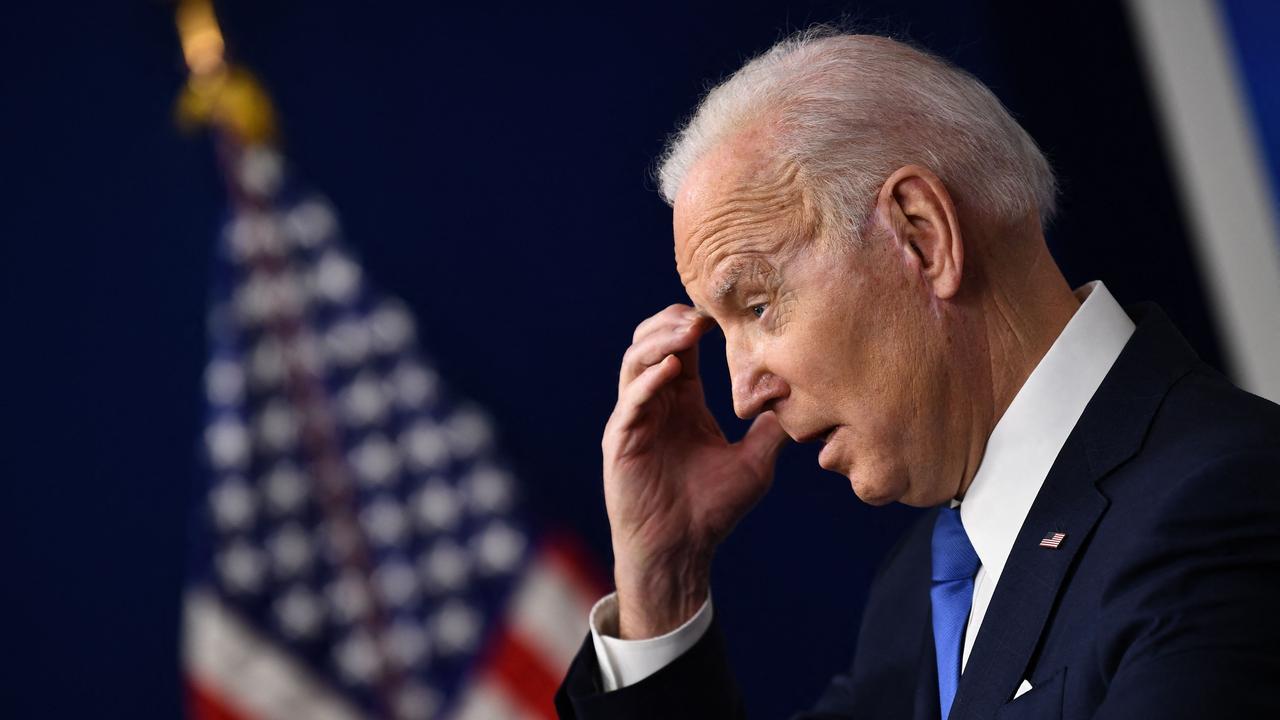
Despite this, Trump took to his social media platform to suggest that DEI initiatives—designed to create equal opportunities for underrepresented groups—somehow played a role in the crash. His claims, however, lack any evidence. The Army, which has long prided itself on maintaining high standards for all its service members, has not indicated that diversity policies compromised training or readiness.
Aviation experts have pointed out that military helicopter crashes often stem from a variety of factors, including mechanical failures, environmental conditions, and operational risks inherent to the job. Blaming the accident on DEI, they argue, is both misleading and disrespectful to the highly trained professionals who put their lives on the line.
Veterans and military personnel have since spoken out in defense of the fallen pilot. Many have emphasized that the U.S. military’s selection process for pilots remains one of the most rigorous in the world. Gender and race are not determining factors—performance is.
The political firestorm surrounding this incident reflects a broader culture war over military recruitment and diversity efforts. While some argue that DEI initiatives weaken institutions, supporters contend that they ensure the most capable individuals rise to the top, regardless of background.
As investigations into the crash continue, one fact remains clear: the female pilot at the heart of this controversy was a top-tier Army cadet with a record that speaks for itself. The attempt to use her death as a political talking point overlooks her proven excellence and the sacrifices she made in service to her country.
Stay tuned as more details emerge about the real causes behind this tragic accident.