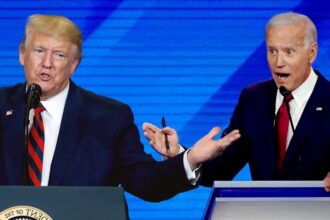
In a recent rally held at Madison Square Garden in New York, former President Donald Trump and his supporters delivered a message that has raised alarm among political observers. Ex-Republican strategist Mike Madrid, who watched the event closely, expressed concern over the underlying themes of violence and division that permeated the rally.
Madrid detailed his observations on his Substack page, suggesting that this rally was more than just a typical event for Trump’s Make America Great Again (MAGA) movement. He characterized the rhetoric used by Trump and his allies as “dehumanizing and racist,” emphasizing that it felt like a “call to violence” aimed at energizing the former president’s base.
A Call to Violence?
Madrid pointed out that the extreme vitriol displayed at this stage of the campaign is a worrying sign. “The only reason you have this kind of vitriol at a campaign rally at this stage is to incite violence,” he asserted. He speculated that this might indicate either a belief that Trump is losing the race or a strategic push to foster violence leading up to the election.
This alarming perspective ties back to past events, including the January 6th insurrection and comments made by Trump and his allies, which have fueled tensions within the political landscape. Madrid emphasized, “It’s time we started openly talking about what we all know. Violence and destruction is the objective; it always has been.”
Potential Impact on Swing States
Despite the troubling message from the rally, Madrid suggested that this extreme approach may backfire on Trump and his campaign. He pointed to Pennsylvania, a key swing state with a significant Puerto Rican community, as a potential battleground where Trump’s rhetoric could have serious consequences. “In fact, it’s the only swing state with a Puerto Rican plurality. Pennsylvania was set to have the biggest share of GOP defections and is Harris’ best-performing Latino numbers of any swing state,” he noted.
Madrid believes that the current political climate could lead to substantial shifts among voters, especially in states with diverse populations. The fallout from such rhetoric may prompt voters to respond negatively at the ballot box, further complicating Trump’s chances in the upcoming election.
Concerns for the Future
As the political environment grows increasingly volatile, Madrid warned that the danger may manifest in unexpected ways. “Violence is likely to come in many small places, not one big event,” he cautioned. Polling places could become targets for disruption, which may provide a pretext for contesting election results in critical states.
Ultimately, Madrid’s analysis serves as a stark reminder of the current state of American politics. The call for violence and the potential for chaos leading up to the election present significant challenges for the electoral process and for the nation’s democratic values.