
Debate surrounding Social Security reform is intensifying in Congress, where lawmakers have introduced six significant proposals aimed at securing the program’s long-term viability and modernizing benefits. As reported by La Grada on Thursday, July 4, 2024, these measures have garnered attention from across the political spectrum. Here’s a detailed look at the key changes currently under consideration:
1. Raising the Retirement Age
A contentious proposal seeks to gradually increase the full retirement age from 67 to 69. Advocates argue that with rising life expectancy, adjusting the retirement age is necessary. However, critics fear it may disproportionately impact low-income workers and those in physically demanding jobs.
2. Adjusting the Payroll Tax Cap
Currently, only income up to $160,200 is subject to Social Security payroll tax. A new proposal aims to raise this cap to $250,000, aiming to bolster the Social Security Trust Fund by increasing contributions from higher earners. Critics caution this may discourage savings and investments among wealthier individuals.
3. Modifying Cost-of-Living Adjustments (COLAs)
The proposal suggests shifting from the Consumer Price Index for Urban Wage Earners and Clerical Workers (CPI-W) to the Chained Consumer Price Index (C-CPI-U) for COLAs. Supporters argue this would better reflect spending habits, though opponents fear it could lead to smaller annual benefit increases for retirees.
4. Implementing a Minimum Benefit Increase
To combat retiree poverty, there’s a proposal to raise the minimum benefit to 125% of the federal poverty level for those with 30 years of covered employment. While widely supported, concerns about funding and sustainability persist.
5. Providing Caregiver Credits
Recognizing caregivers’ contributions, especially women, a proposal introduces caregiver credits within Social Security. This aims to narrow the retirement income gap, but questions remain about eligibility criteria and financial implications.
6. Enhancing Benefits for Long-Term Beneficiaries
Another proposal focuses on boosting benefits for those receiving Social Security for 20 years or more, addressing the needs of older retirees facing higher medical costs and depleted retirement resources.
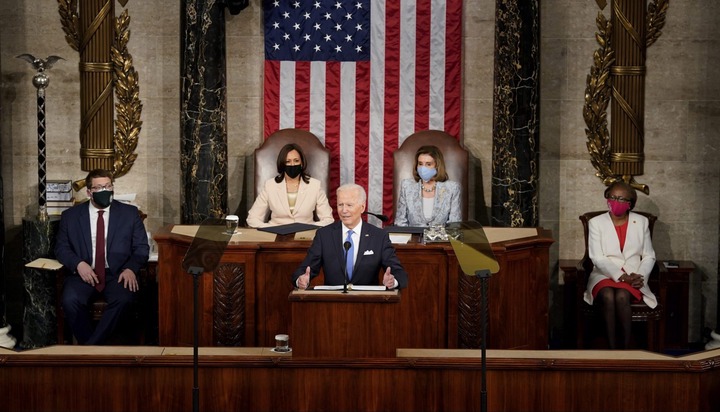
Public reaction varies widely, with older Americans generally supporting benefit enhancements while younger workers express concerns about financial impacts. Democrats lean towards expanding benefits and revenue adjustments, contrasting with Republican calls for fiscal prudence.
As Congress deliberates on these proposals, the future of Social Security hangs in the balance. The outcome will impact millions relying on the program for retirement security. Stakeholders across the board await developments as lawmakers navigate these complex issues.