

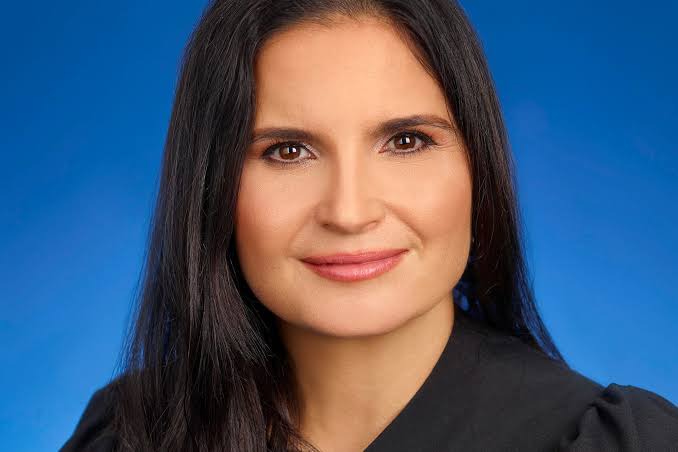
Judge Aileen Cannon, appointed to the bench by former President Trump, found herself under intense scrutiny for her handling of a pivotal case involving the ex-president, drawing ire from liberal commentators and legal experts.
Critics accused Cannon of bias and unnecessary delays in the proceedings, alleging her actions favored Trump, casting doubt on her impartiality.
Constitutional law expert John Shu dismissed these claims, attributing them to personal animosity towards Trump rather than legitimate legal concerns.
Despite bipartisan confirmation, calls for Cannon’s recusal persisted.
Tensions peaked with Cannon’s recent ruling, aligning notably with Trump’s interpretation of the Presidential Records Act, drawing sharp criticism from Special Counsel Jack Smith.
However, criminal defense luminary William Shipley defended Cannon’s actions, asserting they were within standard legal practice.
Cannon’s refusal to dismiss Trump’s motion sparked the fiercest controversy, as she criticized Smith for pressuring jury instruction finalization, deeming it “unprecedented and unjust.”
As the legal battle intensified, attention remained on Cannon’s perceived impartiality and its implications for Trump’s case.
Questions lingered over whether accusations of bias would undermine judicial integrity or if Cannon was simply ensuring legal fairness.
The unfolding courtroom drama left observers eagerly awaiting the next chapter, as the scales of justice hung in uncertainty under Cannon’s influence.


