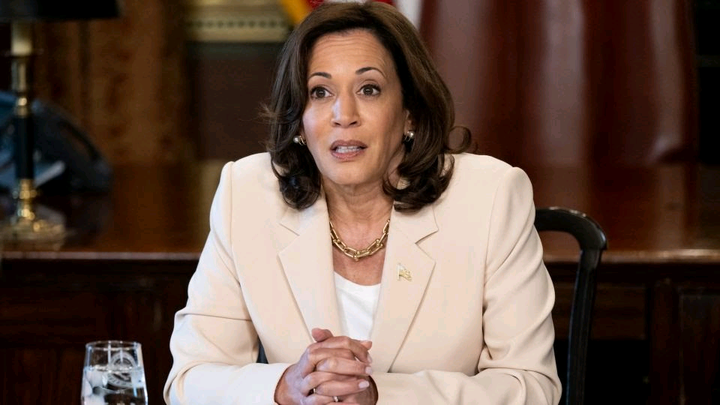
The criminal justice record of Vice President Kamala Harris has come under renewed scrutiny, with former California Senate Majority Leader Gloria Romero accusing Harris of deceiving voters and disproportionately targeting Black men during her time as a prosecutor.
In an interview on “Maria Bartiromo’s Wall Street,” Romero criticized Harris’s tenure as California’s Attorney General and San Francisco District Attorney. According to Romero, Harris’s prosecutorial approach was flawed and unfairly impacted Black communities.
Romero’s critique includes claims that Harris was responsible for jailing over 1,500 people for marijuana offenses. However, this statistic encompasses all marijuana-related incarcerations during her term and lacks detail on the racial demographics of those incarcerated. Critics argue that this figure reflects broader systemic issues rather than specific targeting.
Additionally, Romero and other detractors have pointed to troubling instances where Harris’s office allegedly withheld exculpatory evidence. A notable case involves Kevin Cooper, a Black man on death row for a 1983 murder. Initially, Harris opposed advanced DNA testing that could have proved Cooper’s innocence. Following public pressure, she reversed her stance and supported the testing.
Harris’s criminal justice record is marked by both progressive and conservative elements. On one hand, she has championed reforms, such as opposing the death penalty in San Francisco and advocating for reentry programs for first-time offenders. On the other hand, she has maintained certain tough-on-crime policies, contributing to a complex and sometimes contradictory legacy.
Supporters of Harris highlight her evolving policies and efforts to balance law enforcement with progressive reforms. In contrast, critics continue to scrutinize her past actions, fueling ongoing debate about her impact on racial justice and mass incarceration.
Romero’s comments underscore the enduring controversies surrounding Harris’s career in criminal justice, reflecting the broader complexities and challenges of her legacy.