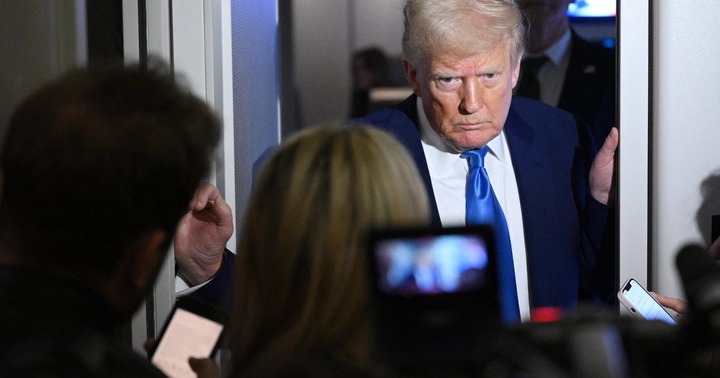
President Donald Trump made a stunning move Wednesday by backing down on his controversial trade war against the world, temporarily slashing tariffs for the next 90 days. After his April 2 “Liberation Day” announcement sparked chaos in global financial markets, Trump quickly pivoted, unveiling a surprising decision to reduce tariffs to just 10% for all countries, while still hitting China with a hefty 125% tariff on its exports to the U.S.
The move caused a massive rally in the stock market, with the Dow Jones Industrial Average surging 6% in a single afternoon. Despite the short-term relief, Trump’s sudden reversal raised questions about his long-term strategy and the future of the U.S. economy.
Trump’s dramatic change in course came just hours after his administration had insisted there would be no pause or negotiation on the tariffs. Many were left puzzled as to why the announcement didn’t come sooner, especially after the higher tariffs were already set to take effect that same day. Economists were quick to speculate that the bond market’s volatility may have been a key factor in prompting the sudden shift.
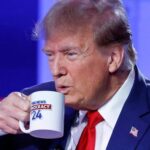
The president himself addressed the move at a public event, claiming that he had been watching the bond market and noticed a growing unease among investors. “The bond market is beautiful right now,” he remarked, dismissing concerns of financial instability as overblown.
Despite the relief this move provided to markets, it has done little to clarify the direction of U.S. trade policy. Trump’s tariff plan was originally intended to boost American manufacturing and generate government revenue, but economists remain divided on its effectiveness. Some argue that, even with the rollback, the U.S. now holds the highest tariffs among industrialized nations—raising concerns about long-term damage to international trade relationships.
On his Truth Social platform, Trump also laid out a bold message aimed at China, asserting that the U.S. would raise tariffs to 125% due to China’s disrespect toward global markets. At the same time, he announced a 90-day pause on tariffs for other countries, following widespread international calls for a resolution.
The president’s aides quickly spun the delay as a strategic victory, with White House Press Secretary Karoline Leavitt touting Trump’s negotiation skills and Treasury Secretary Scott Bessent praising the president’s ability to create leverage. “No one creates leverage like President Trump,” Bessent remarked.
However, not everyone is convinced. Lawmakers on Capitol Hill were left grappling with the sudden announcement. Representative Steven Horsford (D-Nev.) pressed trade officials on the administration’s confusing and abrupt decision, questioning who was truly in charge of the nation’s trade strategy. “WTF? Who’s in charge?” he exclaimed during a tense exchange.
Despite this, Trump’s loyal base remains steadfast in their support, with some arguing that the pause is all part of the plan. Peter Navarro, one of Trump’s key trade advisors, insisted on Fox Business that the strategy is unfolding perfectly, urging Americans to “trust in Trump.”
As Trump navigates the political fallout from this latest move, it’s clear that his trade war with the world is far from over—and the final impact of his tariff strategy is still anyone’s guess.