Former President Donald Trump finds himself in the throes of legal turmoil, adopting a daring strategy to navigate a series of impending criminal trials. With a primary objective of delaying proceedings until after November 2024, Trump is considering a tactical dismissal of his legal team right before the inaugural federal trial, slated to commence in March.
According to The Hill’s report on Tuesday, November 14, Trump’s reputation as a self-interested and disloyal figure seems to extend even to his legal representation, treating them as dispensable assets.
The gamble is evident: by strategically ousting his legal team, Trump aims to secure significant delays, potentially affording him the opportunity to return to the presidency and reshape the narrative in his favor.
However, this high-stakes game is not without substantial risks. While firing lawyers is generally a precarious move for a criminal defendant, Trump’s unique situation allows him to exploit delays as a strategic weapon. If successful, this tactic could compel a future attorney general, should Trump regain office, to reconsider the entire prosecution.
Trump faces a challenge in finding legal representation willing to work with him, given his reputation as a difficult client. The need for lawyers admitted to the relevant court further narrows the field, and Trump’s inclination to cut costs may complicate securing top-tier legal assistance.
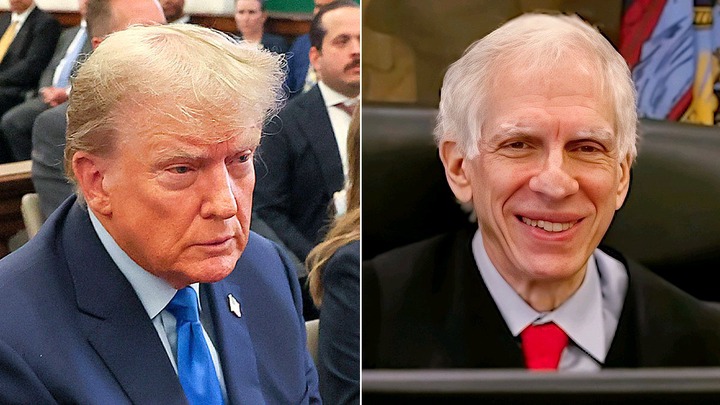
Judge Tanya Chutkan, overseeing the initial trial, may find herself in a legal quagmire as Trump employs delay tactics. The crucial question emerges: at what point can she compel Trump to hire counsel, and could she force him to use the Office of the Federal Public Defender if he persists in dismissing legal teams?
The potential for legal mischief is unprecedented, with federal courts potentially making judgments that have never been encountered before. Trump’s history of pushing boundaries and stretching rules may further complicate an already intricate legal landscape.
The ripple effects of Trump’s legal maneuvers extend beyond the courtroom. If the March trial is delayed, subsequent cases, including one involving classified documents scheduled for May, could be affected. The Georgia case, although beyond Trump’s direct influence, might face delays aligning with his political objectives.
Beyond the legal ramifications, Trump’s strategic moves promise to unleash a wave of reactions. The anti-Trump sentiment, particularly on the left, is anticipated to reach new heights, leading to a sustained period of public outrage.
As Trump plays his legal chess game, his loyalists face the prospect of being humiliated once again. The fallout for his current legal team, including Christopher Kise, John Lauro, and Alina Habba, is likely to be significant.
Trump’s nuclear option—firing his lawyers—may force Judges Chutkan and McAfee to consider their own countermove: revoking Trump’s bail and remanding him for trial.
In this legal saga, Trump’s fate hangs in the balance, teetering between delay and consequence, while the judicial system grapples with unprecedented challenges.