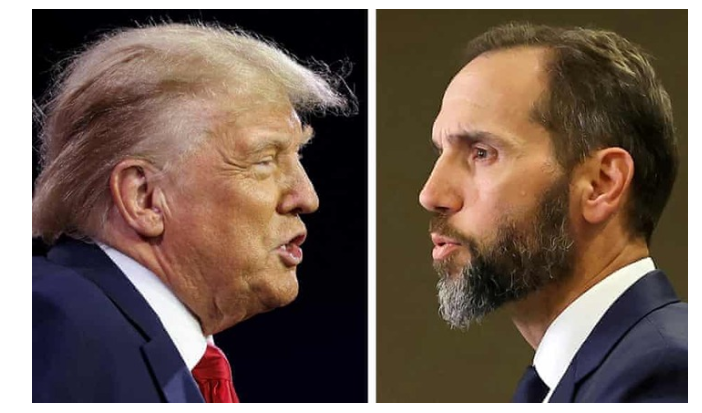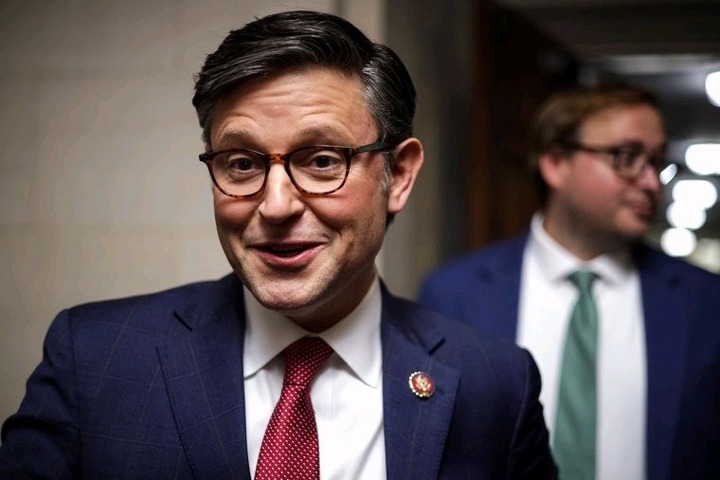
House Speaker Mike Johnson recently raised alarm over a potential voter fraud crisis that could significantly impact the 2024 presidential election. Johnson argues that the current voter registration processes in many states are not stringent enough, potentially allowing for fraudulent activities that could undermine the integrity of the electoral process.
Johnson’s Concerns on Voter Fraud
Johnson specifically pointed to New York State as an example of lax registration protocols. In New York, individuals can register to vote without providing a photo ID or Social Security number. Instead, they can use alternative forms of identification, such as a utility bill, paycheck, or government housing slip. Johnson believes this leniency creates opportunities for voter fraud, as these documents can be easier to falsify or manipulate compared to more secure forms of identification.
The Push for Stricter Voter ID Laws
Johnson’s stance is part of a broader narrative gaining traction in some political circles, emphasizing the need for stricter voter ID laws and more rigorous verification processes. Proponents of these measures argue that they are necessary to ensure the integrity of elections and prevent illegal voting. They often point to isolated incidents of voter fraud as justification for sweeping reforms.

Opposition to Stricter Voter ID Laws
However, opponents argue that the risk of widespread voter fraud is minimal and that such laws disproportionately affect marginalized communities, including low-income individuals, minorities, and the elderly. They contend that existing evidence does not support claims of pervasive voter fraud and that the real impact of stringent voter ID laws is voter suppression. Studies have shown that strict voter ID requirements can discourage legitimate voters from participating in elections, thereby undermining the democratic process.
The Debate Over New York’s Registration Process
In the context of New York State, supporters of the current registration process argue that it balances accessibility and security. They note that while photo IDs and Social Security numbers can help verify identity, requiring them can create barriers for eligible voters who may not possess these documents. The use of alternative forms of identification aims to make it easier for all eligible citizens to exercise their right to vote.
The Future of Voter Registration and ID Laws
As the 2024 election approaches, the debate over voter registration and ID laws is likely to intensify. Johnson’s warnings about a potential voter fraud crisis are sure to fuel discussions and potentially lead to legislative proposals aimed at tightening registration requirements. Whether these changes will enhance the integrity of the electoral process or disenfranchise voters remains a contentious issue, reflecting deeper divides over how to balance security and accessibility in the American voting system.